Event
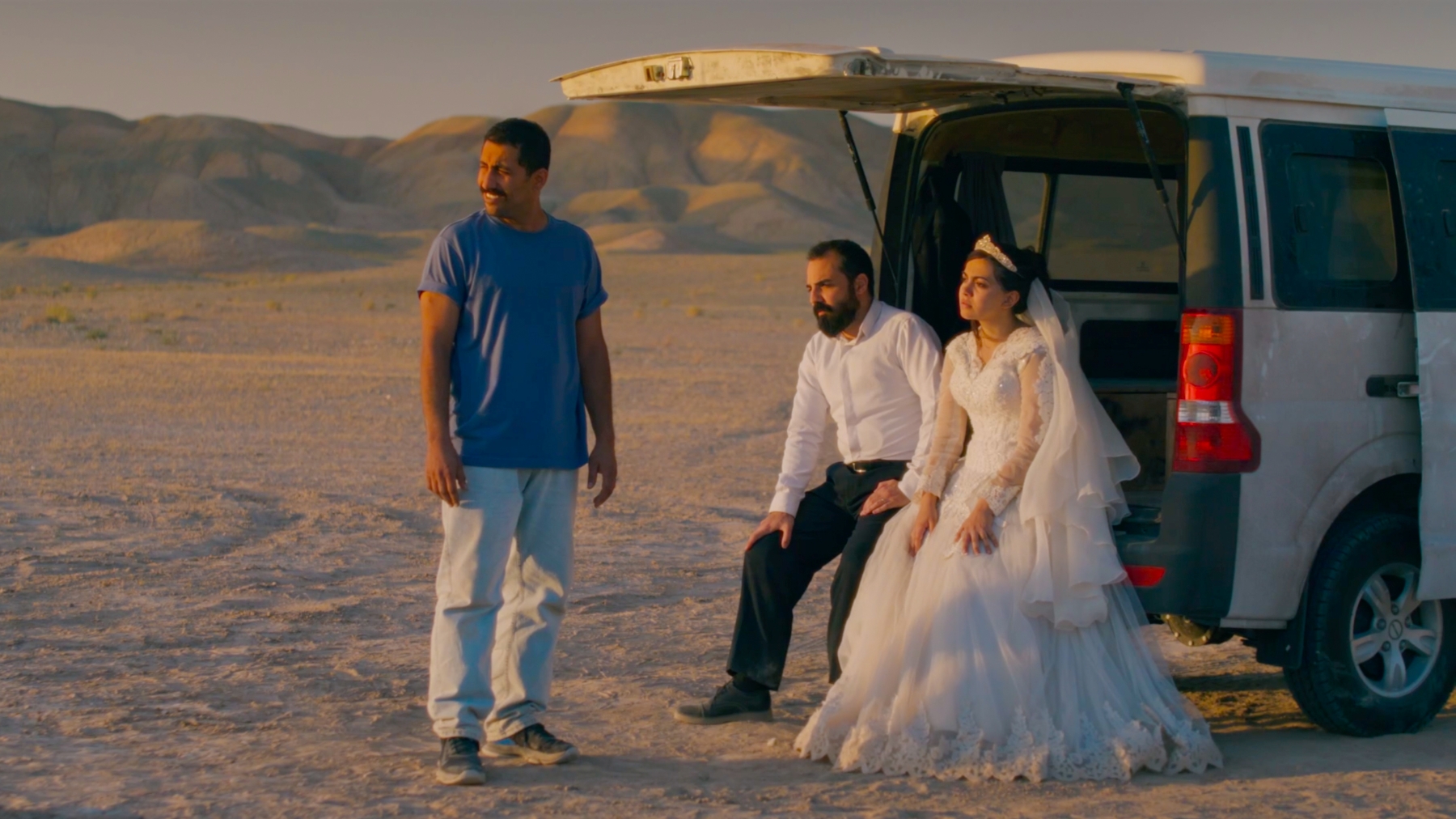
What would you do if you happened to come across the person who once tortured you? And what if you were not certain it was really them? This is the dilemma at the heart of It Was Just an Accident, the latest film by Iranian director Jafar Panahi, which won the Palme d’Or at Cannes. Panahi has long faced repression because of his work, and an Iranian court has now sentenced him to prison once again. This gripping story of revenge, justice and the courage to confront wrongdoing is available to watch on One World Online.
“The fact that the Iranian regime has once again sentenced Panahi shows that, despite the brutality and repression in Iran, there are still people the regime fears,” comments Matouš Horčička, analyst at the Association for International Affairs (AMO), on the latest developments surrounding the director of It Was Just an Accident.
Jafar Panahi knows all too well what it means to stand up to the Iranian regime. Throughout his career, he has faced bans, threats and imprisonment. He was prohibited from making films and from leaving the country, yet he continued his work. Now, Tehran’s Revolutionary Court has once again imposed a sentence on him, this time five years and one month in prison, partly in connection with his latest film, It Was Just an Accident.
Panahi’s story is not only that of a successful filmmaker who came into conflict with those in power. It is also a testimony to the way the Iranian regime treats people who refuse to remain silent about its violence and injustice. The director has previously been imprisoned, repeatedly banned from filmmaking and prohibited from travelling abroad. Part of his sentence was served in Evin Prison, one of Iran’s most notorious detention facilities, where he met journalist Mehdi Mahmoudian. That meeting later contributed to the creation of It Was Just an Accident, with Mahmoudian co-writing the screenplay.
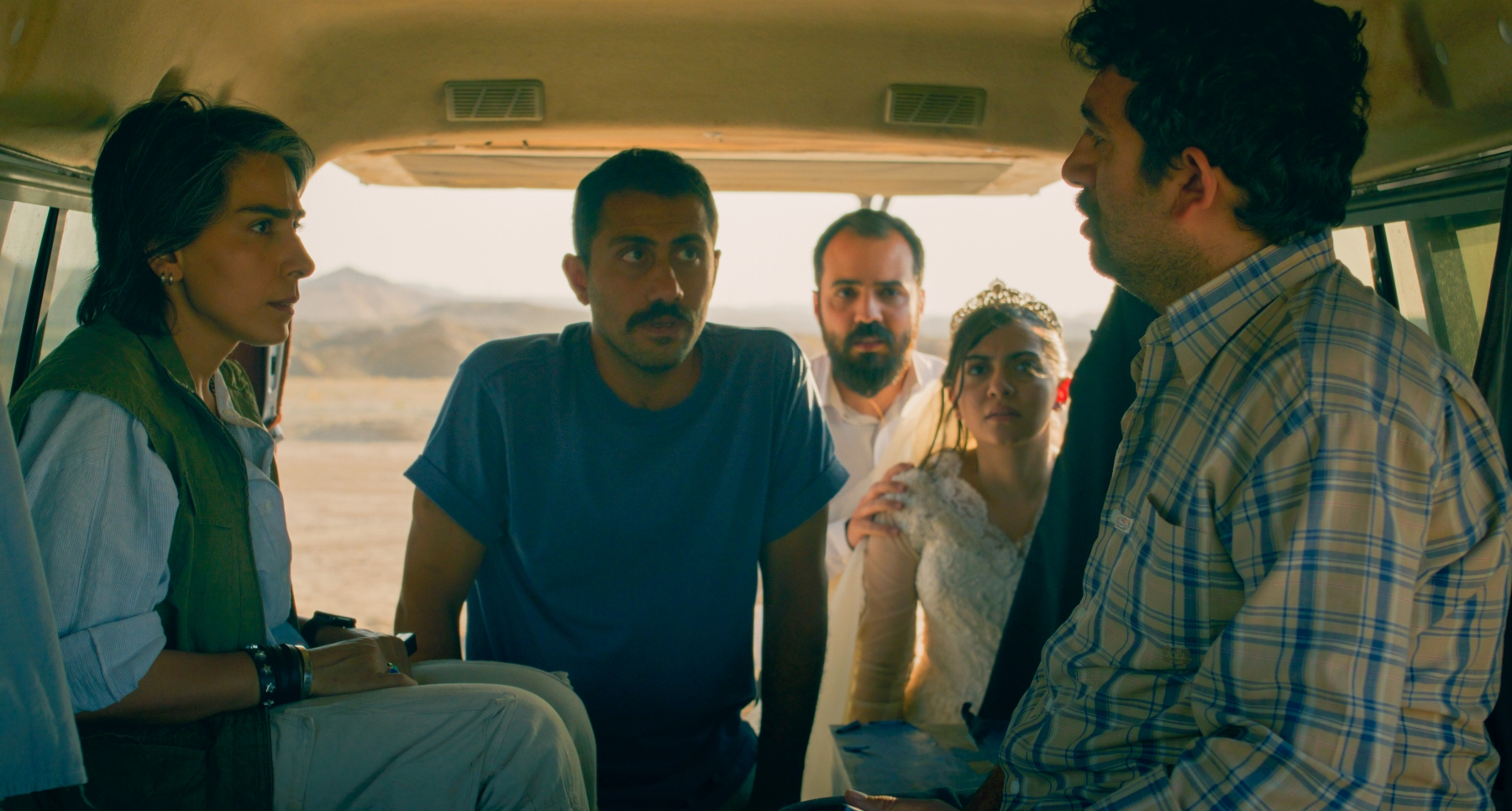
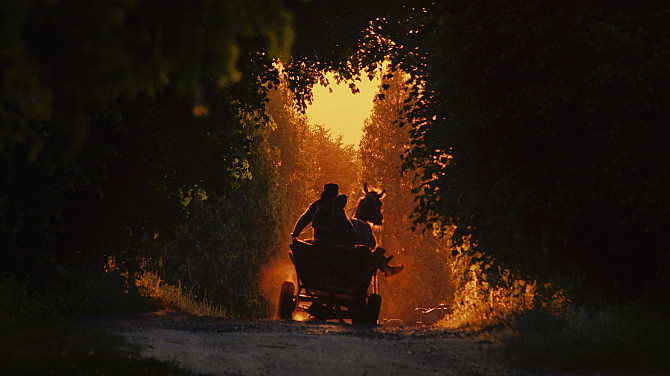
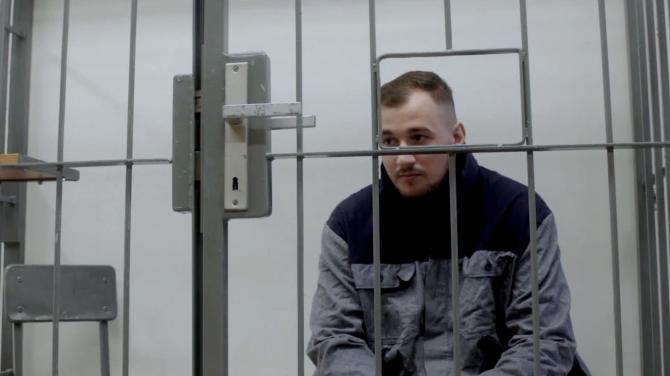
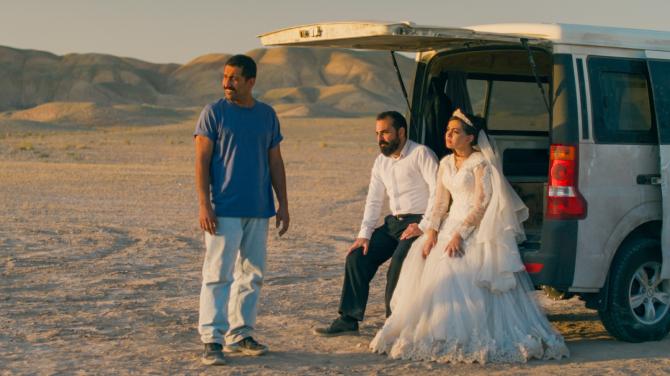
It Was Just an Accident returns to the violence and injustice experienced by political prisoners in Iran. Its central character is Vahid, a former prisoner who unexpectedly encounters a man he believes to be his former torturer. He never saw the man’s face, but recognises him by the sound of his artificial leg. Or at least he thinks he does.
Vahid decides to take justice into his own hands. Yet the closer he comes to revenge, the more he realises he cannot be certain that the man before him is truly the person who abused him in prison. Together with other former prisoners, he sets out to verify the man’s identity.
“While the film was received very positively in the West, some Iranians have criticised what they see as an overly caricatured portrayal of parts of the opposition. Overall, however, the film is also appreciated for tackling difficult issues,” says Matouš Horčička of AMO.
In It Was Just an Accident, Palme d’Or winner Jafar Panahi portrays not only violence itself but also its lasting consequences. The film addresses torture, sexual violence in prisons, blackmail and the death penalty. At the same time, it explores how people cope with trauma and whether responsibility for a regime’s crimes can be attributed to the individuals who serve it.
Panahi’s work has long responded to developments in Iran. It Was Just an Accident is linked, among other things, to the 2022 protests that erupted under the slogan “Woman, Life, Freedom” following the death of Mahsa Amini. Protesters demanded freedom and fundamental human rights. The regime responded with severe repression, arrests and violence.
“If Panahi addressed these issues in the film in relation to the 2022 protests, during his Oscar campaign he also spoke about this January’s protests, which, according to available information, were even larger in scale and met with even harsher and bloodier repression,” notes Matouš Horčička.
Meanwhile, news from Iran is often overshadowed by other global events. That makes it all the more important not to forget the people who continue to speak out, create and draw attention to injustice despite the risks. The sentence imposed on Jafar Panahi is another attempt to silence one of them. At the same time, it demonstrates that his work continues to resonate far beyond Iran’s borders. As Matouš Horčička puts it: “It shows that, despite the mass killings, brutality, arrests and extortion taking place in Iran, there are still people the regime fears, and whose work, or even the mere mention of them, is enough to remind the world not only of their suffering and sacrifice, but also of their courage and determination.”
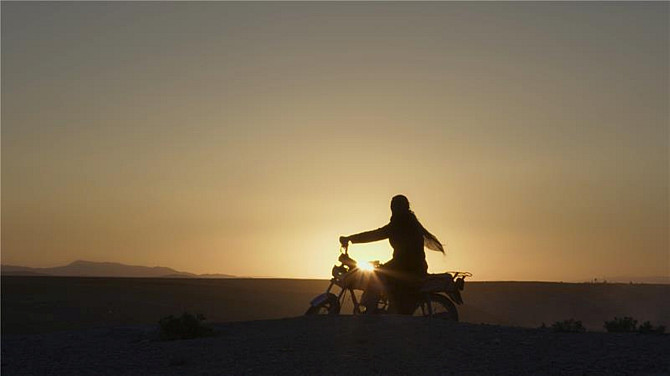
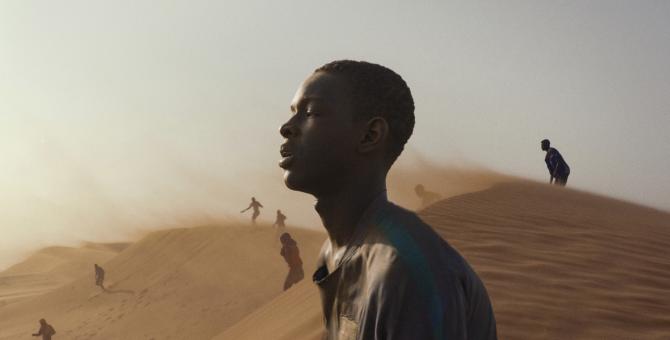
Photo: © Les Films Pelléas
Accessibility
News
OW online

News
Photogallery 
Photogallery
Photogallery
Photogallery
Event

Photogallery
Photogallery
Photogallery

Event
Event
Highlight
Highlight
Accessibility
Highlight
Film tip
Film tip
Film tip
Awarded
Highlight