OW online

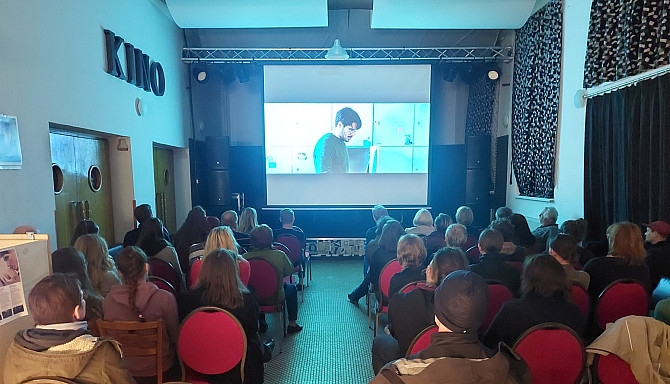
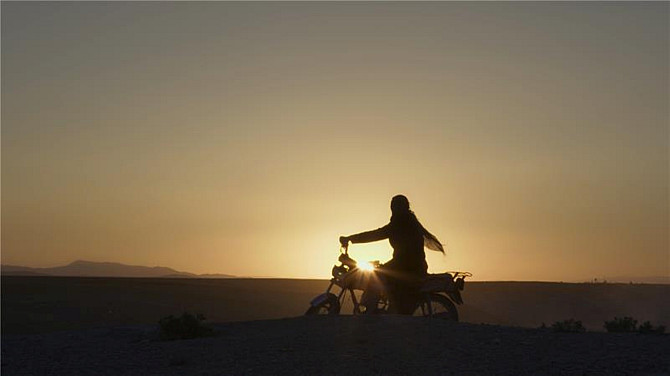
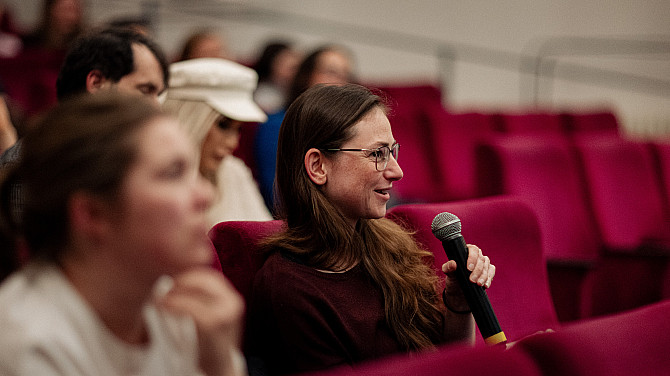
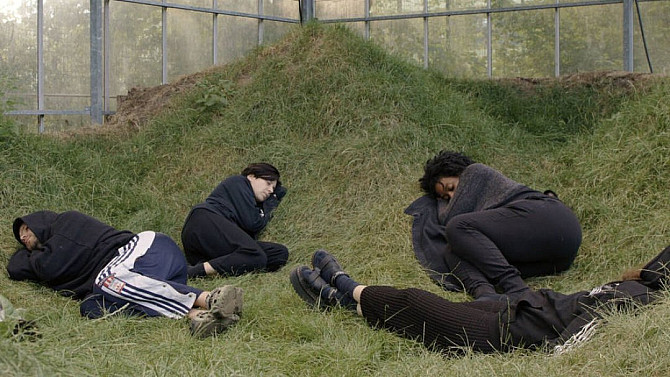
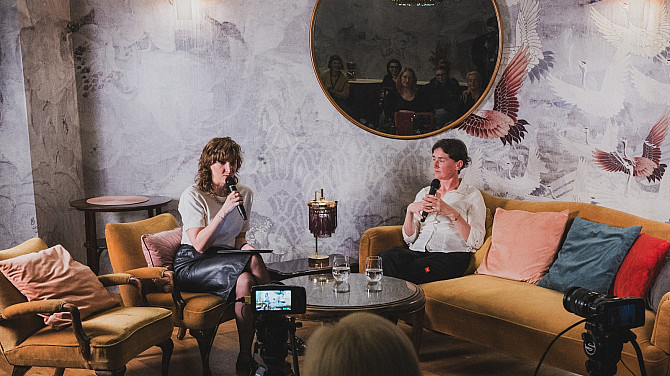
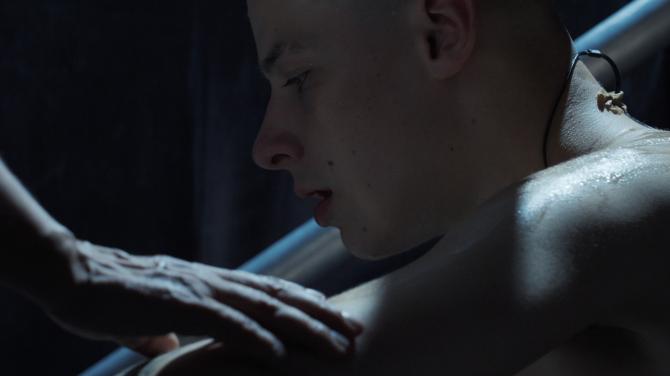
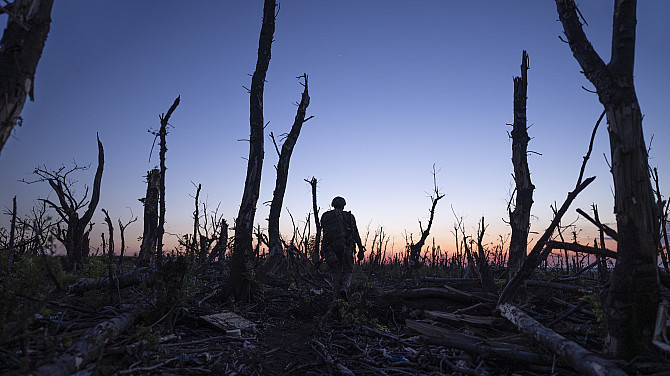
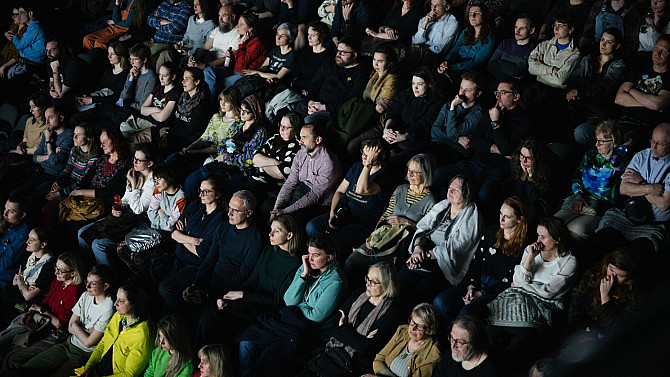
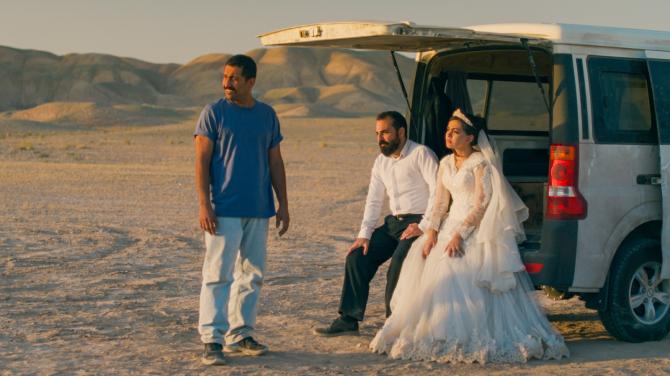
“Did it shake you up, or do you feel good?” the moderator asks after the screening ends. Most of the students seem more shaken than comfortable, and the discussion starts only slowly. Students from seven secondary schools have just watched Cuba&Alaska,a documentary about the friendship between two paramedics who joined the front line near Kharkiv in Ukraine.
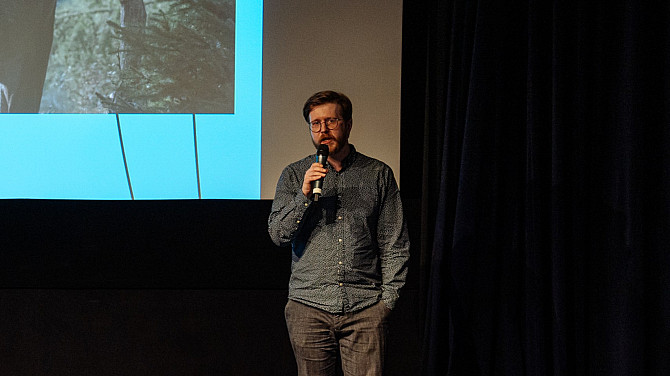
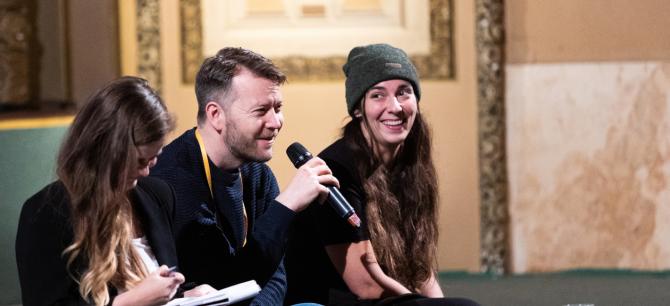
“Do you know how the girls are doing today?” one student shyly asks the guest speaker. “As far as I know, they are still at the front, but that information is a few months old and came from the producers, so things may be completely different today,” answers Ondřej Soukup, a journalist and correspondent for Czech Radio, candidly.
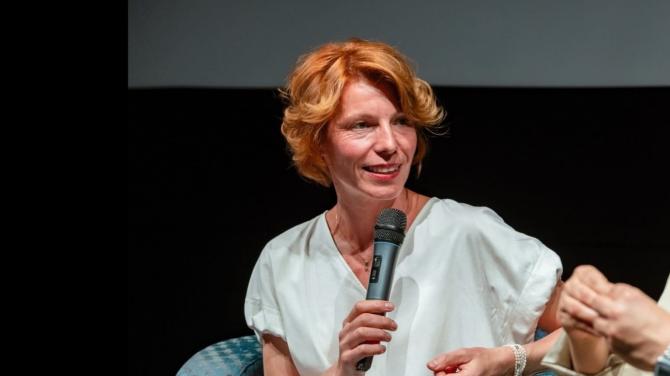
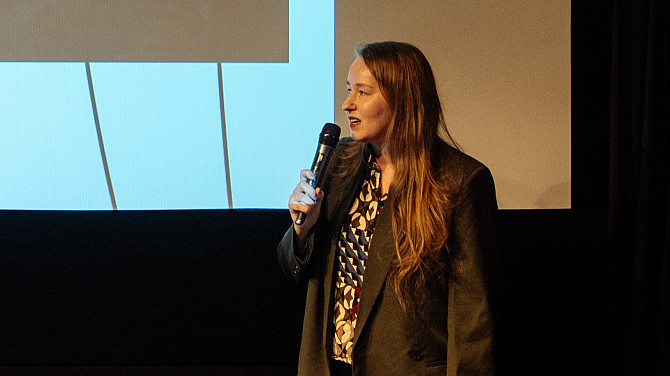
Moments like these are typical for the One World festival. Documentary films often open up topics that deeply affect students. “It’s important that a discussion follows the film. We don’t want to just send them out of the theater. We want to give them space to think about what they’ve seen,” says Linda Šilingerová, coordinator of the festival’s school screenings.
Students themselves confirm that documentaries offer a perspective different from regular news coverage. “The film shows the reality of war in a terrifying way. Compared to what we usually see in the news, it feels like an alternative perspective to me,” says Jakub Vojtíšek from Vítězslav Novák Grammar School in Jindřichův Hradec. “It was interesting to see the war from the point of view of medics.”
David Valta from the Secondary School of Communication Technology Panská in Prague describes a similar moment of surprise. “I was surprised that people in the war were positive. They laughed, there was humor too,” he says.
According to Linda Šilingerová, these reactions show how powerful documentaries can be as educational tools. “When selecting films, we look at several factors,” she explains. “One of them is length, the screening has to fit into the school schedule. But the topic is just as important. Our goal is to open students’ eyes, encourage empathy and critical thinking, and foster openness to different perspectives. Through films and discussions, we create space for dialogue about issues that resonate in today’s society.”
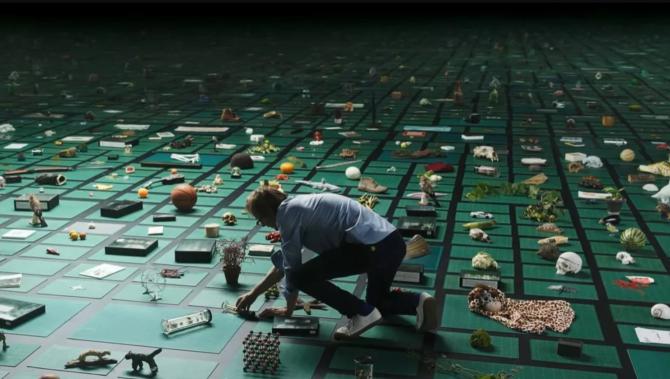
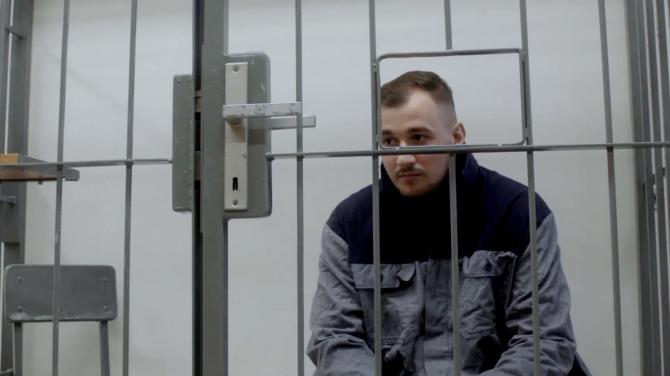
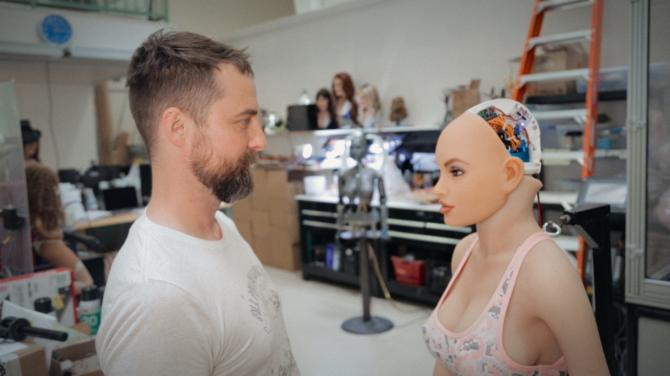
The programmers of the festival combine a wide range of topics for school audiences. In addition to films about the war in Ukraine, this year’s selection also includes films promoting media literacy, such as In the Belly of AI and Dangerous Games: Roblox and the Metaverse Exposed. Others focus on human rights (When I Get Jailed) or environmental issues (White Gold: Elon Musk and the Race for Argentina's Lithium).
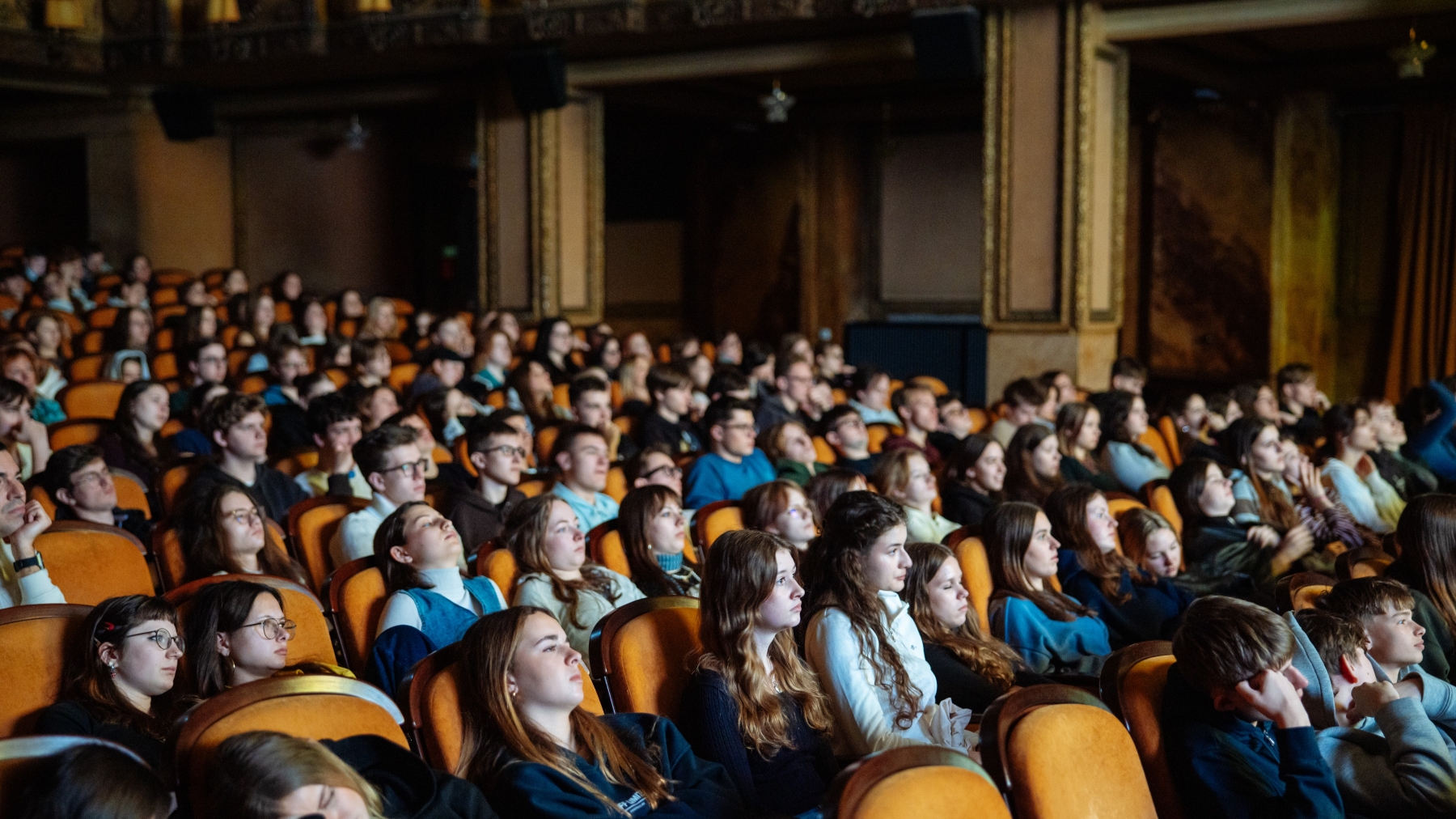
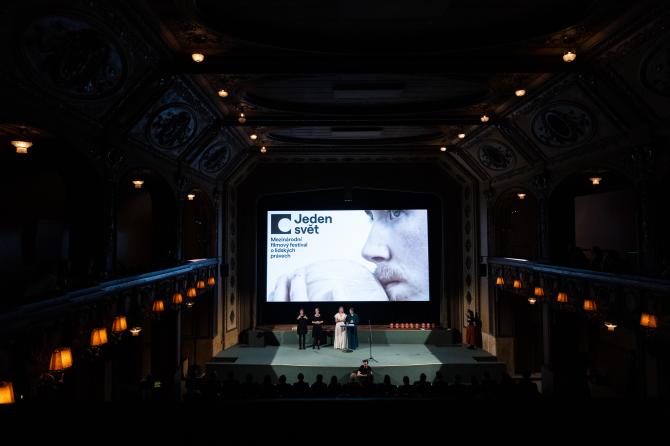
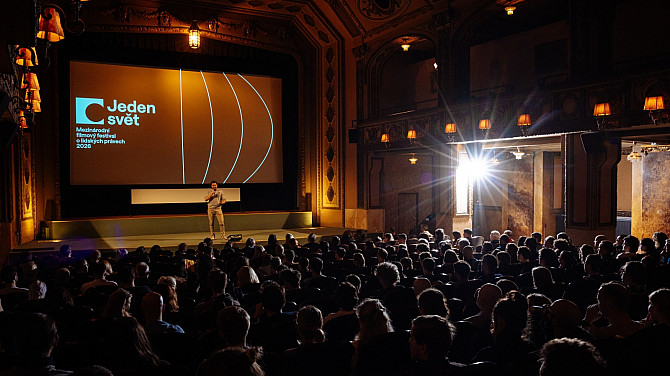
“I feel that students today aren’t very used to going to the cinema,” says teacher Hana Šebková from the grammar school in Jindřichův Hradec. “That’s why I wanted to prepare a special experience for them this year. We could have attended One World in Tábor or České Budějovice, which are closer to us, but the large screening hall at Prague’s Světozor Cinema would definitely make a stronger impression,” she explains about the class trip she organized for the humanities students.
Hana Šebková has been collaborating with the festival for 19 years. She uses documentaries in her teaching and appreciates when they provoke students to ask questions and think critically. “This year I let them choose the film they wanted to see themselves. Kuba & Alaska was the clear choice,” she says, adding that after the screening the class plans to visit the Senate of the Parliament of the Czech Republic.
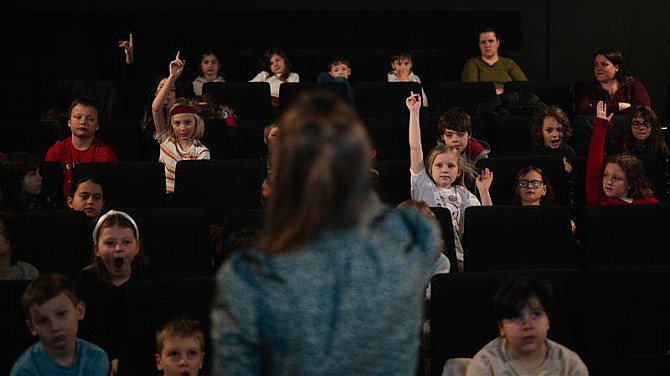
The festival programme is not only for secondary school students, children can attend from the first grade onward, either with teachers or with their parents during the regular programme. “This year the One World for Families section brings stories about the power of children’s imagination, but also about overcoming obstacles while living with disabilities,” says Linda Šilingerová. She adds that younger viewers can watch blocks of shorter films, which are usually dubbed.
“With younger children, it’s important that the films are understandable and that they can relate to them,” she explains. “Every year they surprise us with how thoughtfully they reflect on what they see. They know a lot, and their answers often inspire us.”
Just like with high school screenings, organizers say the most important part begins after the film ends. “After the screening, it’s important to give space to emotions,” says the coordinator. “We ask children whether they identified with someone in the story and how they perceived what the character their age was experiencing.”
To make things easier for parents and teachers, the festival prepares worksheets and activities. With younger children, a simple exercise often works well: they sort their feelings about the film on paper or just in their minds into three symbolic places.
“In the washing machine they put things that are still spinning in their heads, things they are thinking about,” Linda explains. “In the suitcase they place what they want to remember and take with them. And in the trash they put what they don’t want to think about anymore.” Children can also draw a comic or picture inspired by the film and send it to the organizers. At the end of the summer holidays, One World selects several young creators who get to visit Czech Television as a reward.
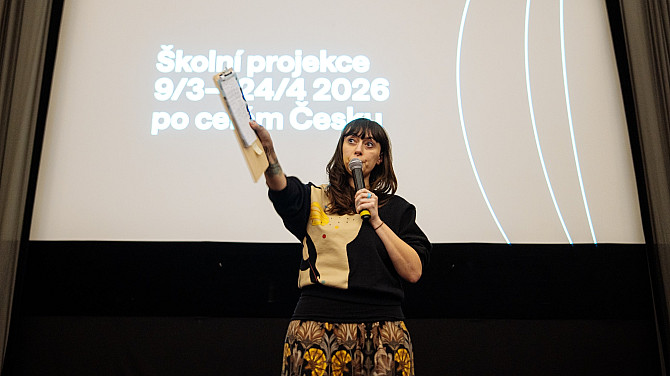
The school screening programme is not new. The educational initiative One World in Schools is celebrating its 25th anniversary this year, and according to organizers, about two-thirds of Czech schools use its materials.
The principle, however, remains the same as it was at the beginning: the film opens a topic, and the discussion moves it forward. Sometimes it starts immediately; other times, as after the screening of Kuba & Alaska, it takes a little while. But once the first question comes from the audience, the conversation usually continues on its own.
Accessibility
News
OW online
News
Photogallery 
Photogallery
Photogallery
Photogallery
Event
Photogallery
Photogallery
Photogallery

Event
Event
Highlight

Highlight
Accessibility
Highlight
Film tip
Film tip
Film tip
Awarded
Highlight