OW online
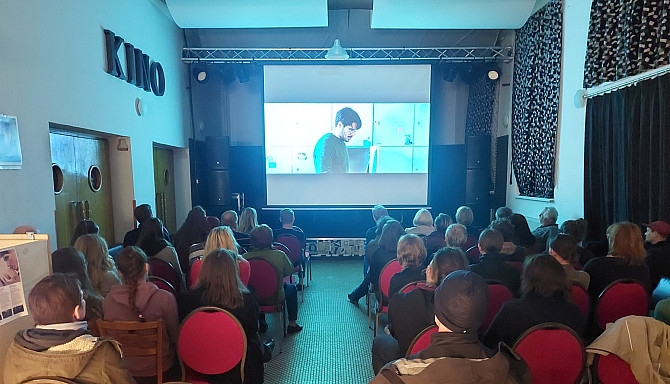
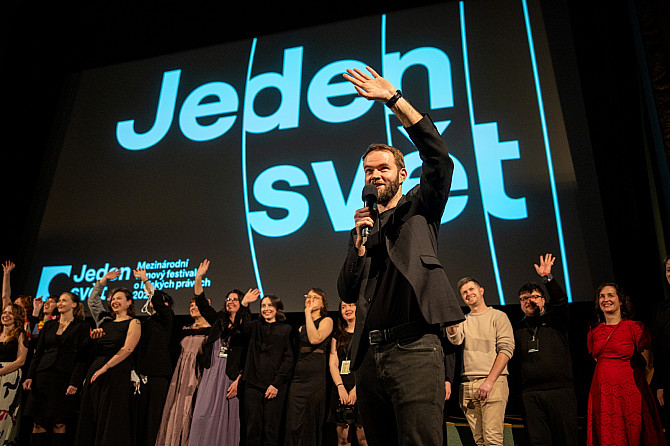
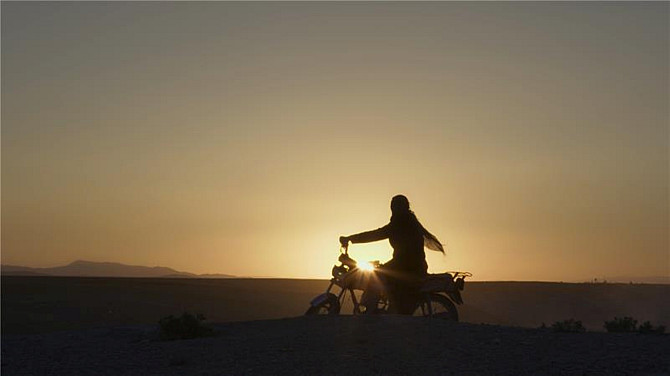
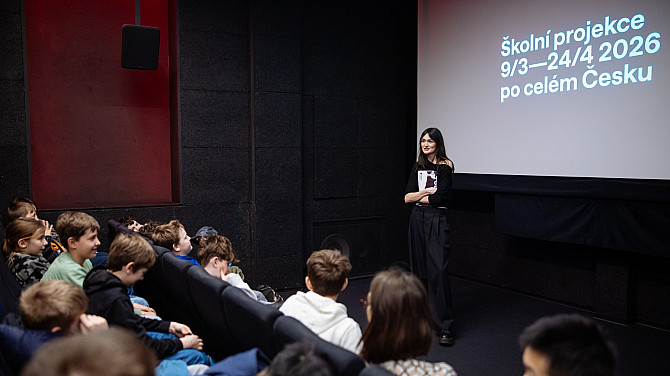
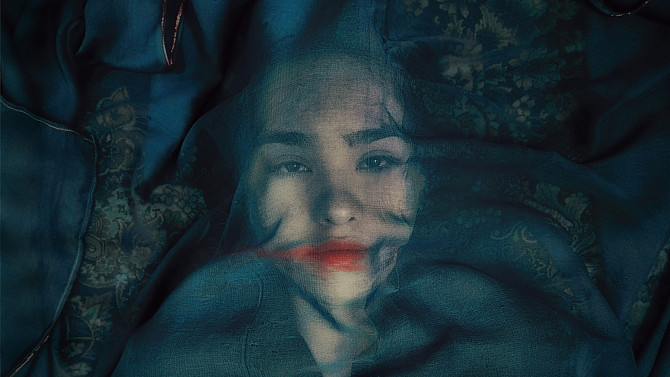
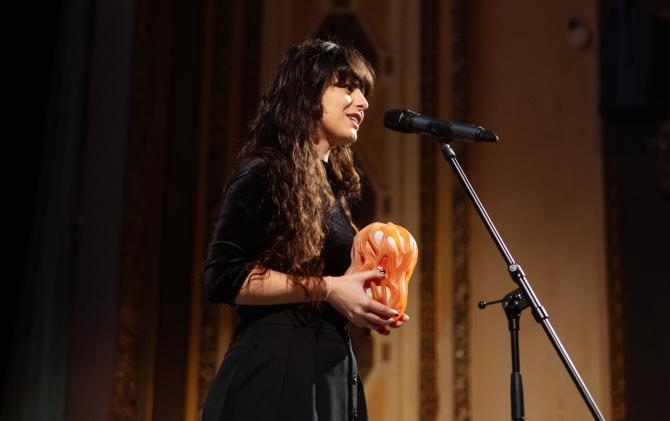
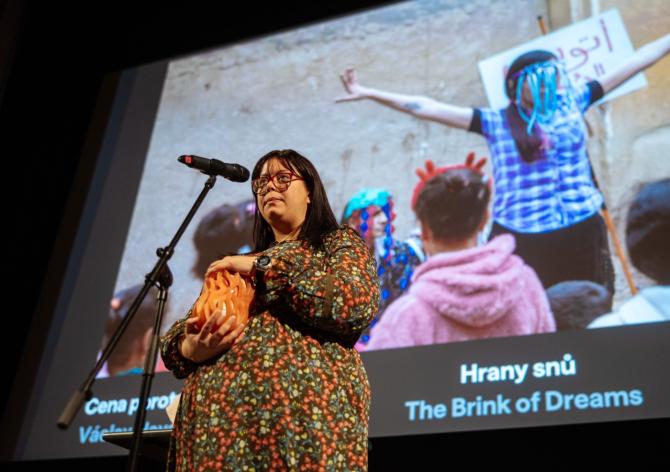
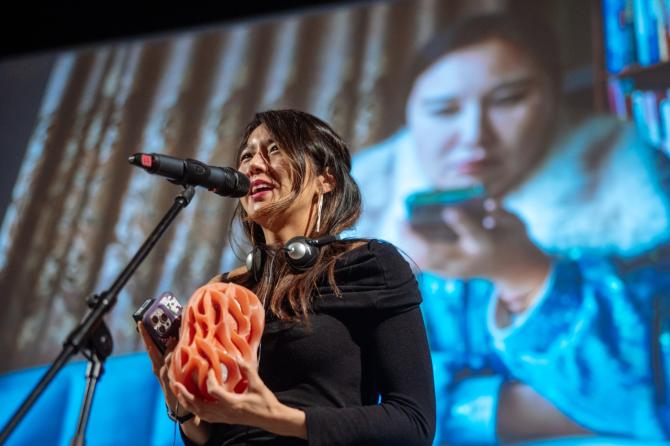
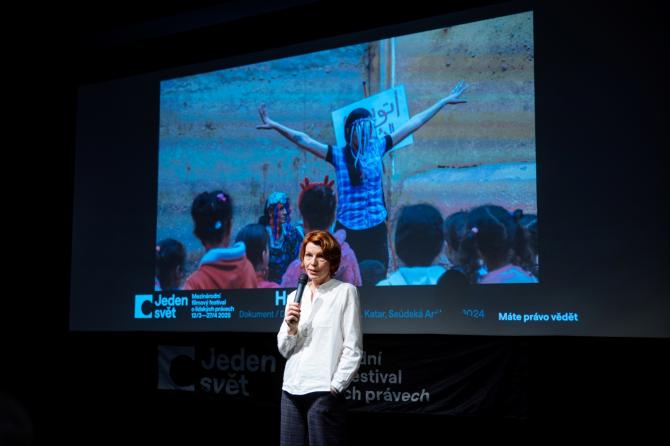
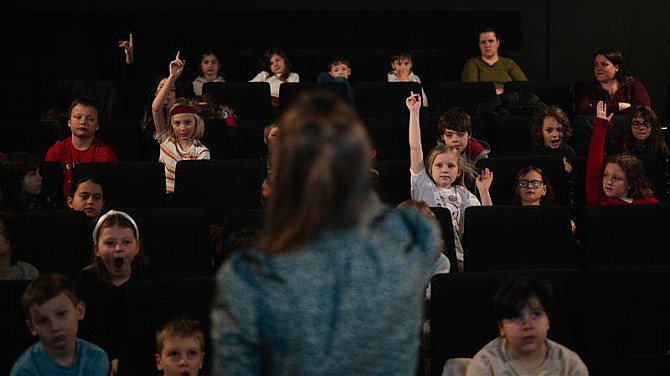
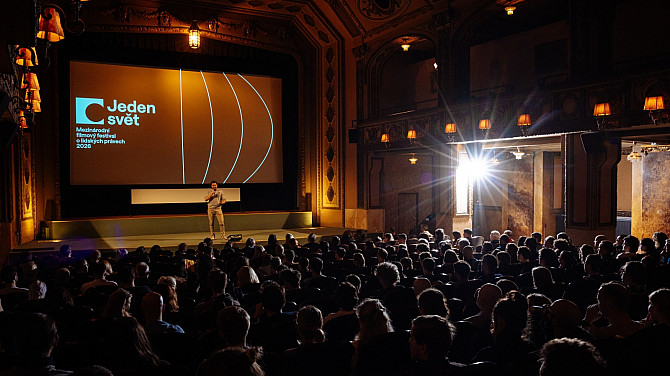
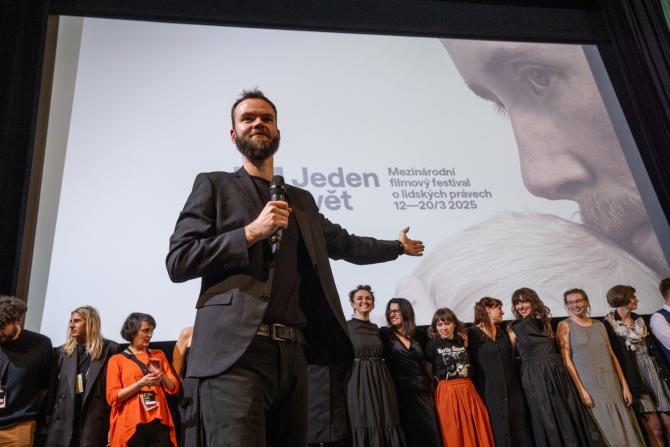
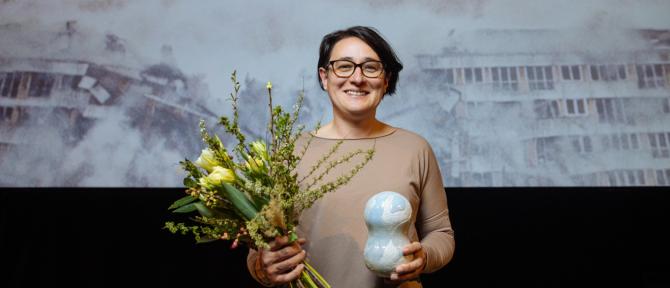
The film had ended, the lights came on in the auditorium, and sixteen-year-old Soraya Akhlaghi, the protagonist of the film A Fox Under a Pink Moon, stepped in front of the audience. No one stood up, no one left. Everyone sat as if glued to their seats, waiting for the discussion to begin. The story of a young Afghan artist who faced domestic violence and documented her own life on a mobile phone moved the audience so deeply that they wanted to know more. And that “something more” is exactly what the debates at One World offer.
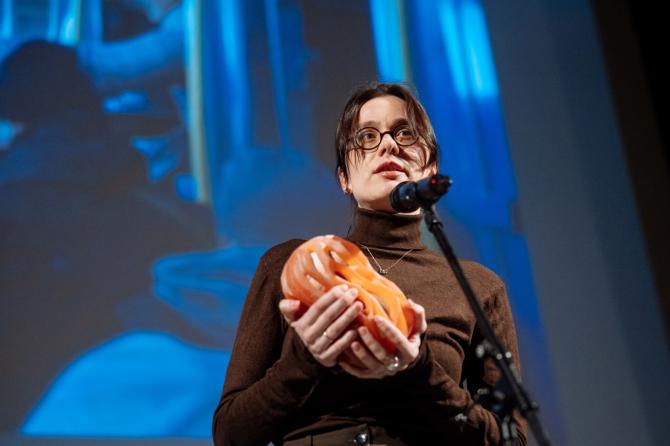
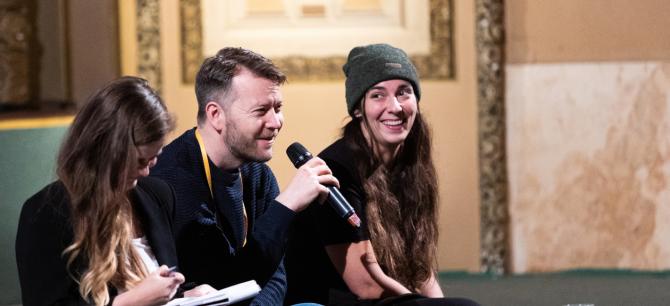
“When someone who previously appeared in the documentary comes to the discussion, it’s always incredibly powerful. It’s not like a fiction film where they play a role written by someone else. In a documentary they are speaking for themselves, and the audience has the chance to ask them in more detail about what they experienced,” explains Tereza Langrová, debate assistant at One World, describing the greatest magic of the post-screening discussions.
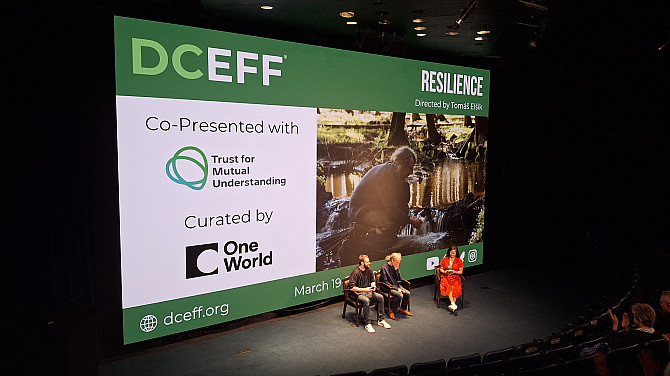
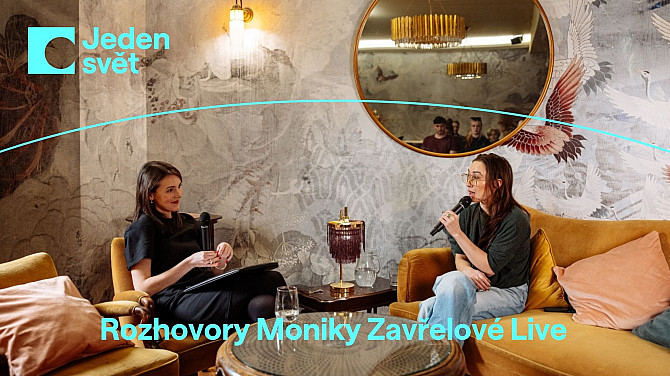
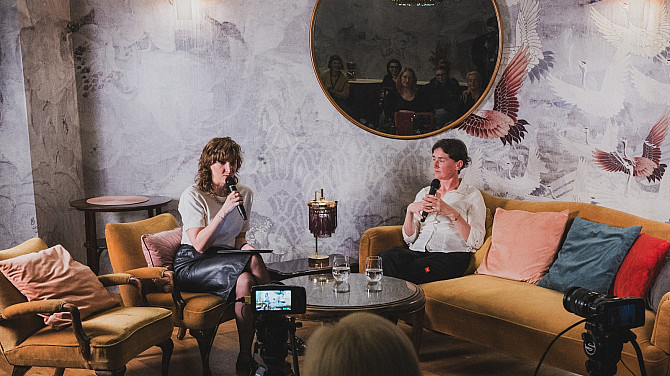
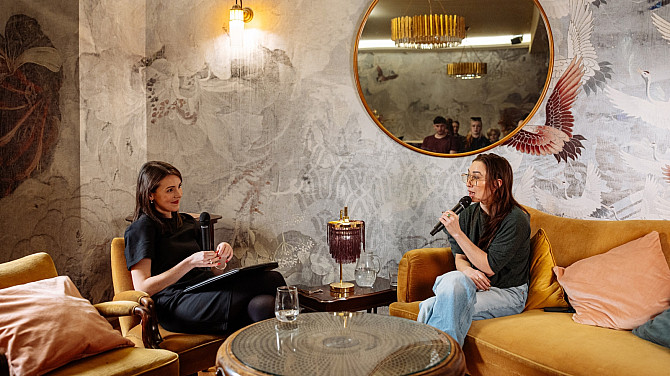
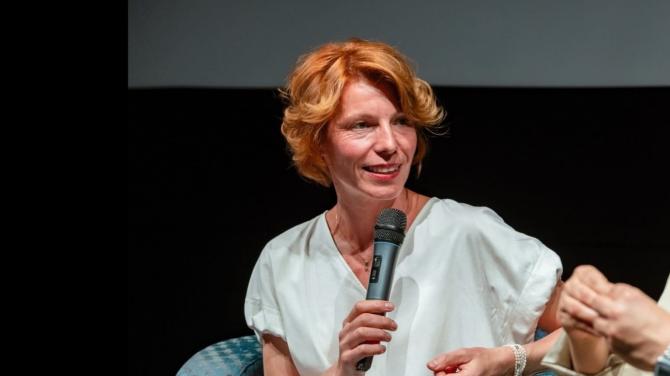
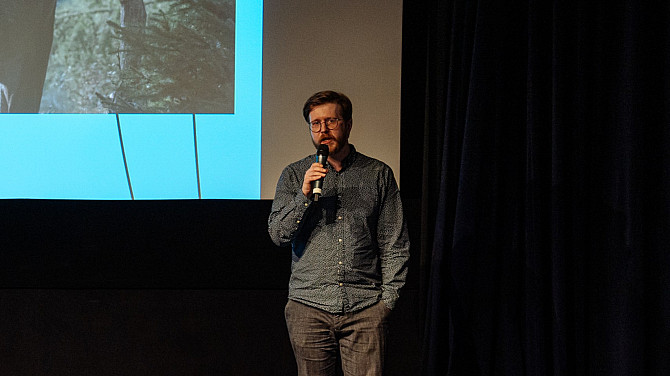
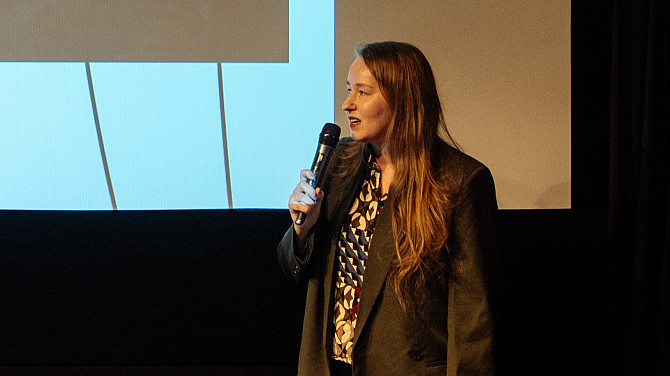
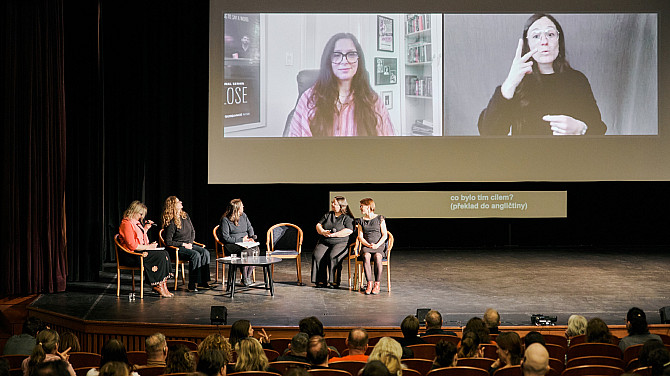
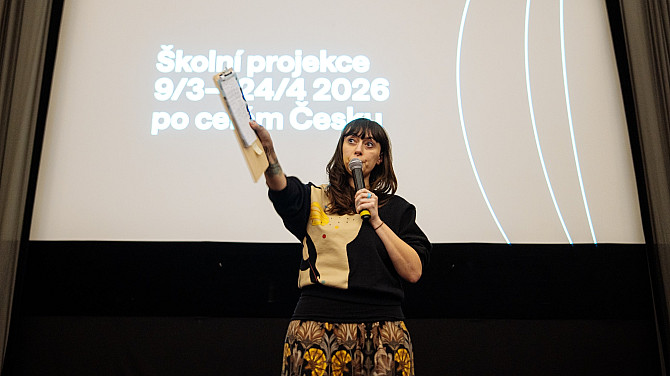
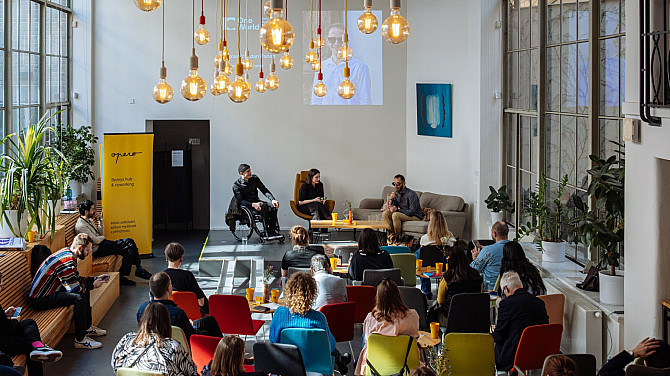
This year, the One World dramaturges have prepared 126 debates. Some are small and intimate, others take the form of large panel discussions with experts, and some turn into live podcast recordings. They are moderated by people closely connected to the festival either members of the One World or People in Need teams as well as external experts. “Films are a powerful emotional experience, a way of opening up our usual rational filters. It’s important to accompany that with shared dialogue. The debates deepen the information, place it in context, and help us articulate out loud what we have experienced,” adds Tereza D. Reichelová, One World’s debate dramaturge.
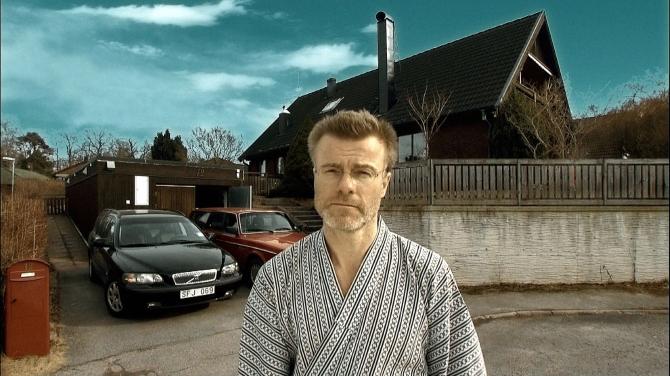
“What can I do to make sure truck drivers are not so exploited?” asks an English-speaking viewer after the film Driving Europe, addressing Edwin Atema, one of the protagonists who advocates for the drivers featured in the documentary. Questions like this are very common at One World debates.
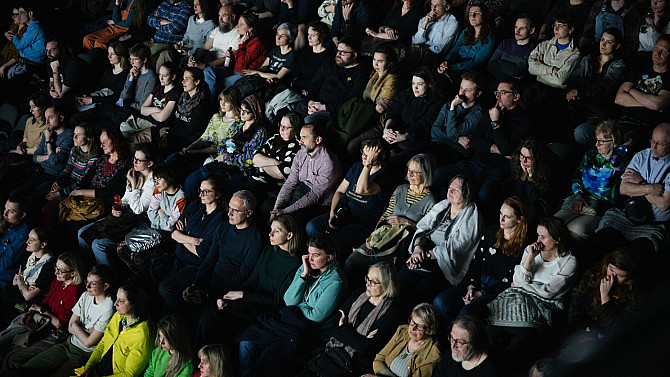
“I feel that the audience at One World is much more engaged than a typical cinema audience. When I moderated a discussion after the film Made in EU, questions about what people could personally do to change things came up at least two times out of ten,” shares her observation Kamila Dolotina, a dramaturge and film journalist.
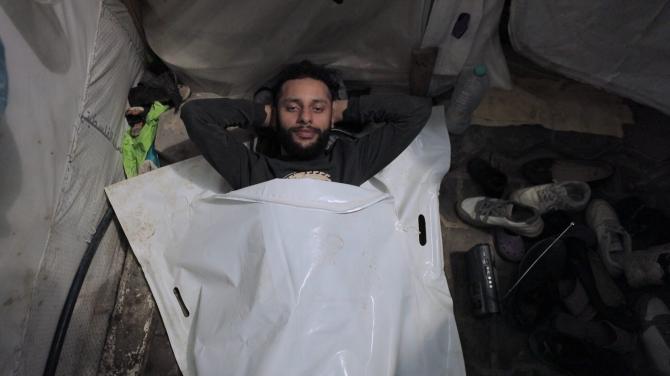
This year’s debate programme offers a number of exceptional encounters. On Wednesday, March 18, after the screening of The Voice of Hind Rajab, a tense film on the border between documentary and reconstructed drama, the organizers plan to connect online with Nisreen Qawas, director of the mental health department of the Palestinian Red Crescent.
A completely different atmosphere will be created on Monday, March 16, at Bio Oko during the discussion following the animated film Endless Cookie. The debate will be led by Kamil Fila and Alena Julie Novotná and recorded as an episode of the podcast Hodný, zlý a kritický (“The Good, the Bad and the Critical”). Although the film addresses the heavy topic of the persecution of Indigenous peoples in Canada, it does so with a generous dose of humor, self-irony, and gently absurd perspective.
“I’m really looking forward to the debate after the film Meant to Be. It’s unique because it gives prime-time space to people from Gen Z. The entire discussion will be in their hands,” invites Tereza D. Reichelová to the large hall of the Municipal Library on Tuesday, March 17. The panel following the film about a young successful rapper will consist exclusively of representatives of Generation Z. The discussion with rapper Athena Chlebová and the rap crew Gufrau will be moderated by researcher and climate activist Klára Bělíčková. The debate will also be recorded as an episode of her podcast MOSHPIT.
Another powerful topic will be opened on Tuesday at the Ponrepo cinema by the film Sandbox, which maps the development of surveillance technologies in the United States and Europe and their testing on the most vulnerable groups – refugees. The discussion will be led by Member of Parliament Irena Ferčíková Konečná and moderator Hynek Trojánek from the organization Iuridicum Remedium, which has long focused on the protection of privacy and digital rights.
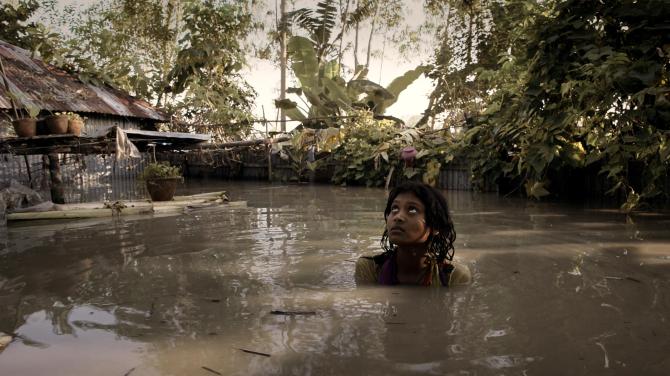
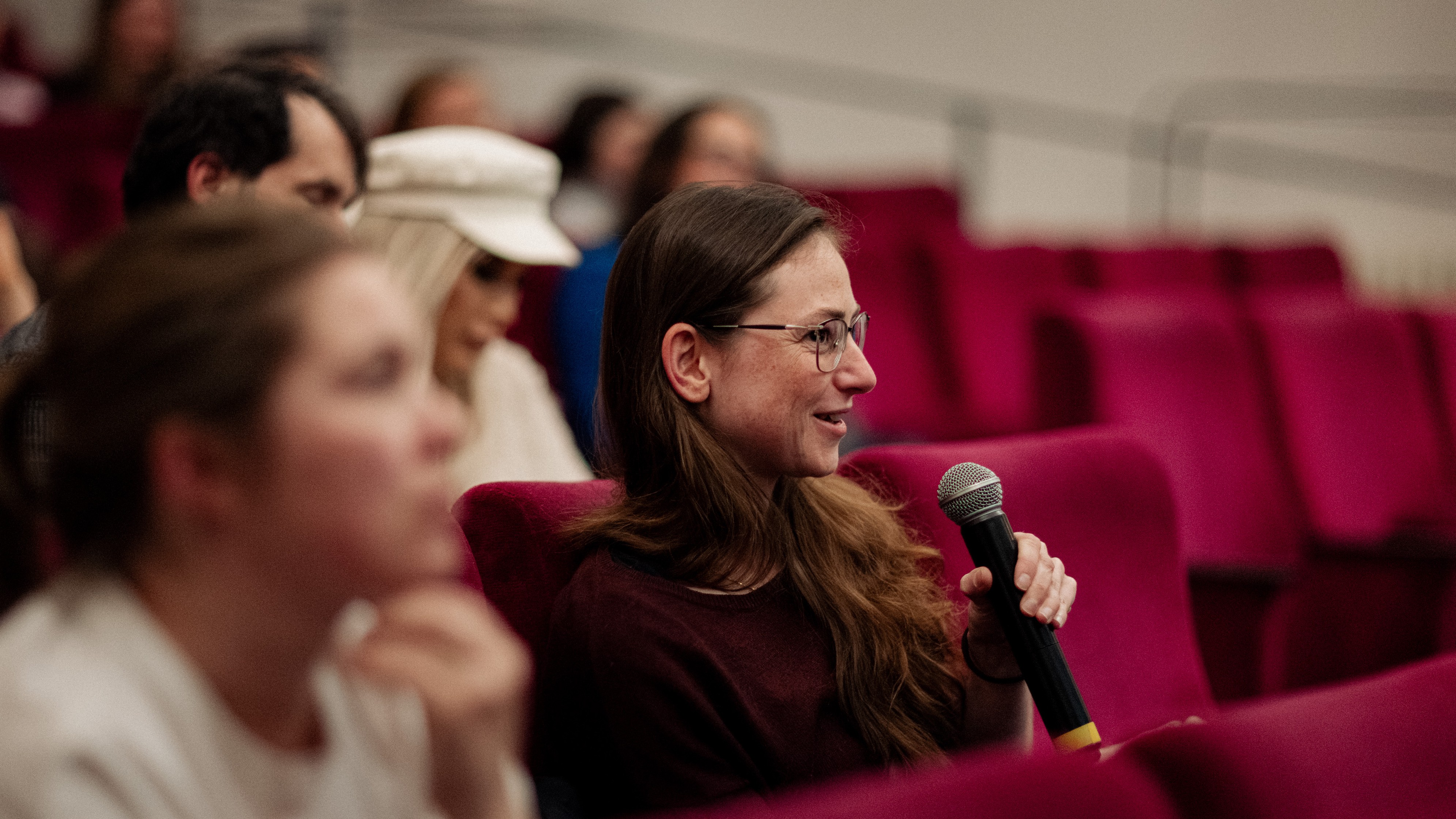
A special place in the programme is also reserved for intimate debates held in the form of an open mic. In these discussions, anyone sitting in the auditorium can speak. “This year we have five of them, and the role of the moderator is extremely important, they guide the shared dialogue,” says Tereza D. Reichelová. She adds: “I think the discussion after the film Flood will be particularly powerful. It will be facilitated by theologian and trade union organizer Jakub Ort. The film tells the story of a girl growing up in a very conservative family. There is a lot of love in the family, but they disagree on fundamental issues and still try to find a way back to one another. Intergenerational gaps in families are something many people deal with today in different forms.” This intimate discussion will take place on Wednesday, March 18, at Evald cinema.
“The film really moved me. I have to admit I even shed a few tears at times,” confides an energetic senior woman into the microphone after the film Driving Europe. This woman is a festival regular – her name is Gabriela, and she has been attending One World for 28 years, since the very first edition. “The first film I saw at the human rights festival was a documentary from Mongolia about surface mining and the working conditions of laborers,” Gabriela recalls precisely. Every year she manages to see at least two films a day, sometimes even four including the debates, in which she actively participates. She herself admits that she has become something of a festival mascot.
“Why do I come to One World? Because thanks to the festival I realized I’m not the only crazy person in the world,” she says with a smile, then explains: “I discovered that there are more people who refuse to remain indifferent to injustice, who care about what is happening around them.”
And it is precisely the debates with direct participants as well as with people who can place documentaries in a broader context that, together with the films, can turn viewers into such “crazy people.” In the best possible sense of the word: people who do not want to remain indifferent and who ask what they can change. They leave the auditorium with the feeling that even a small step can matter.
Photo: Lukáš Veselý
Accessibility
News
OW online
News
Photogallery 
Photogallery
Photogallery
Photogallery
Event
Photogallery
Photogallery
Photogallery
Event
Event
Highlight
Highlight
Accessibility
Highlight
Film tip
Film tip
Film tip
Awarded
Highlight