OW online
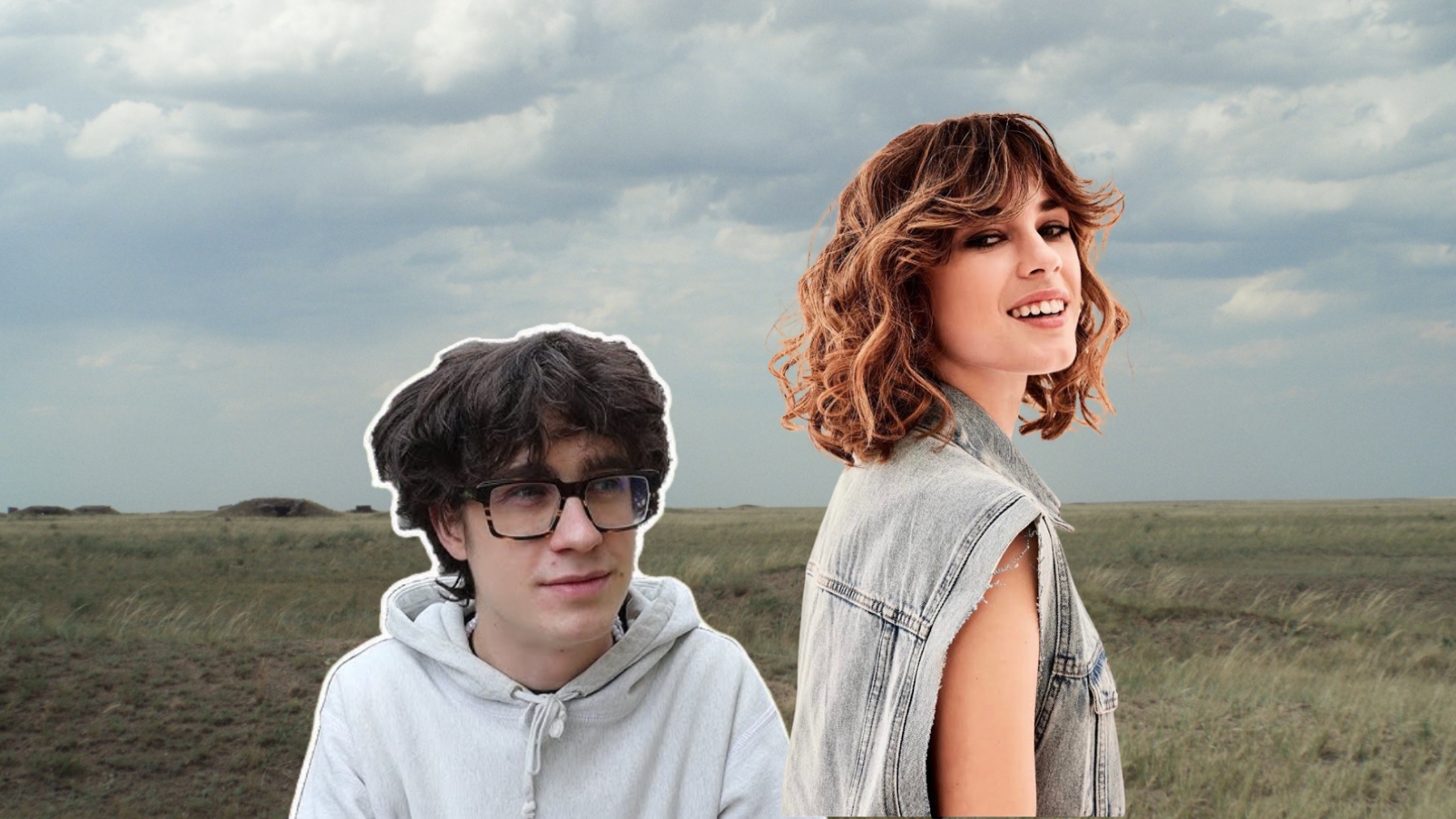
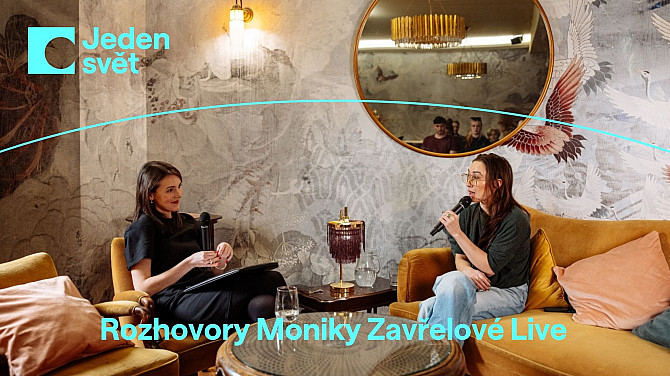
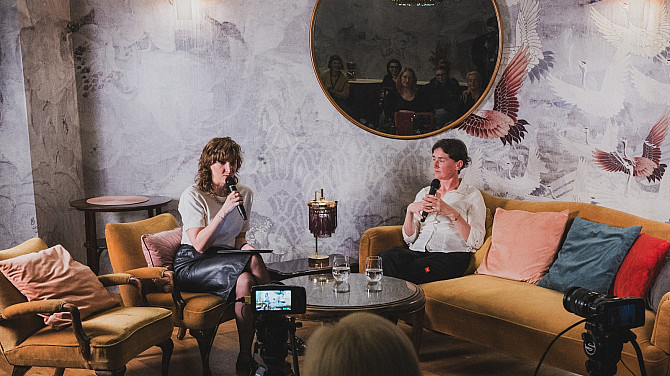
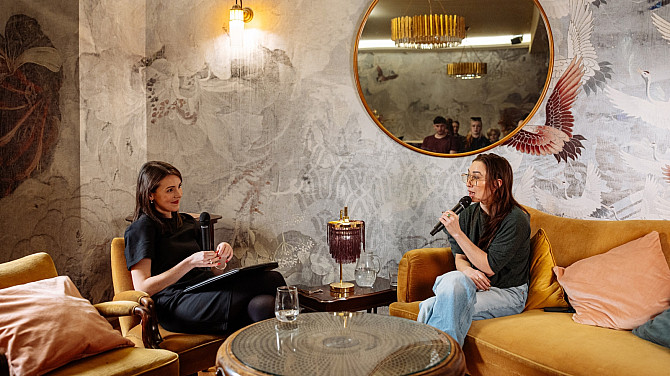
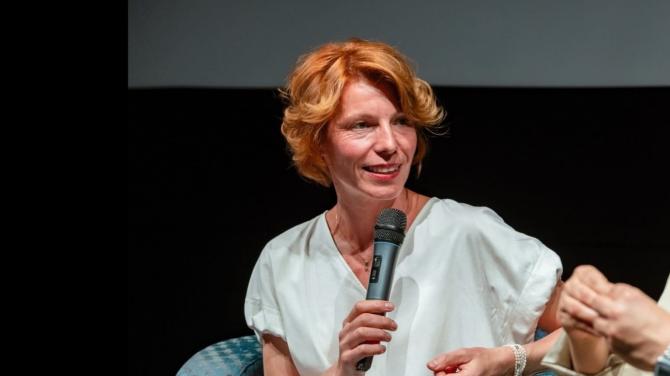
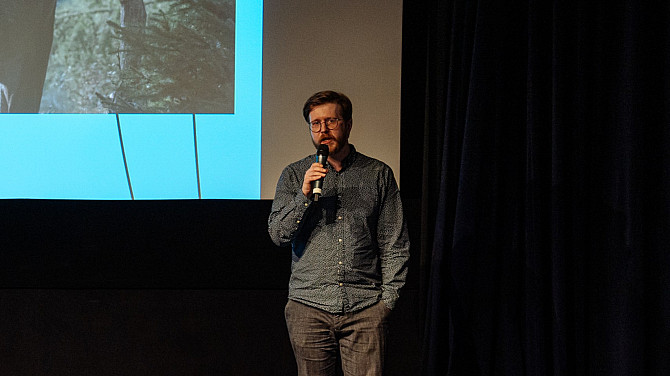
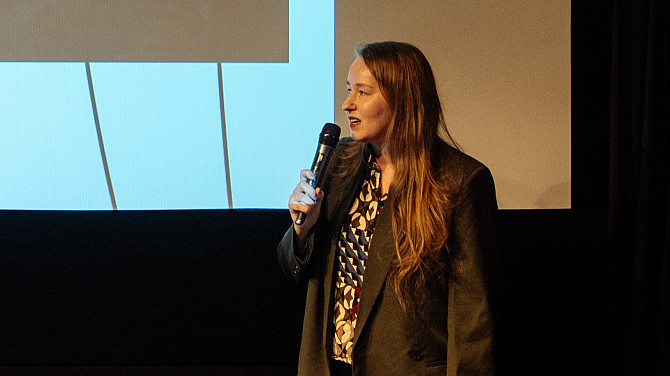
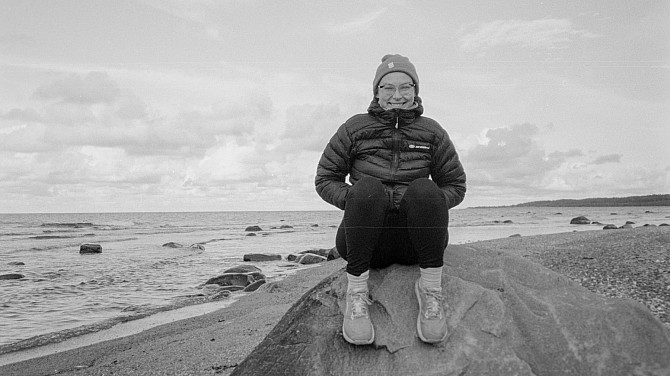
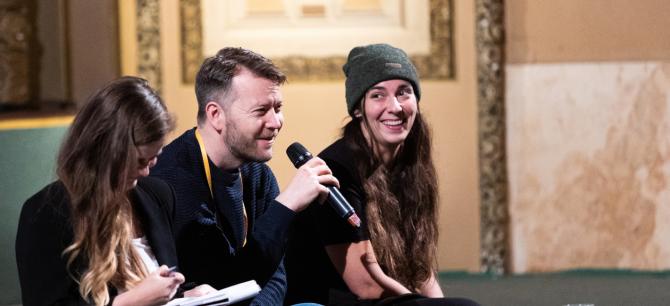
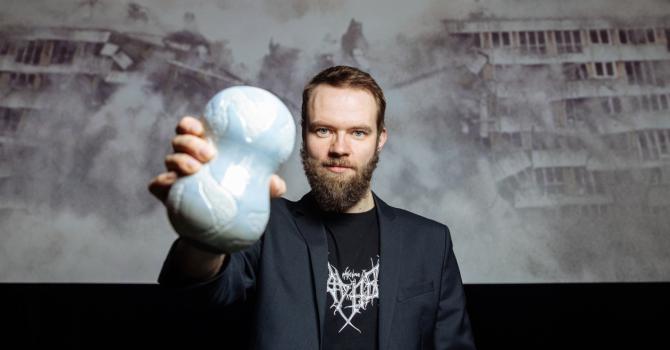
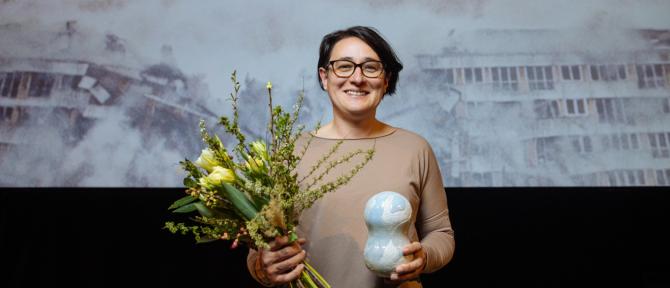
Anna Dvořáková is already a fairly seasoned film, television, and theatre actress, while Bořek Hon, a creator of entertaining as well as educational videos, is only just getting used to his status as a personality whose public recognition is growing. This year, they joined forces to become guides for One World. How did they get into this role, how does it fit into their previous work, and how can generations Z and Alpha be attracted to a festival dealing with such serious topics?
How did you get involved in collaborating with One World? How long have you known the festival?
Anna: I used to go to school screenings, so I have a certain personal connection to it. This specific offer, however, was communicated to me by the agency that represents me in the media.
Bořek: You reached out to me on social media, which is probably the standard these days. But I have a story too. Years ago our school took us to Stories of Injustice, where we saw how past regimes made people’s lives difficult and complicated. That definitely increased my interest. My grandmother was a political prisoner, so I later took part in a school project where we recorded and processed her experiences and those of other relatives. Sure, we partly saw it as an excuse to skip class, but that doesn’t mean we weren’t interested. We even received an award for it at Lucerna from Daniela Drtinová!
So to what extent is One World a job for you, and to what extent is it something you’re genuinely interested in?
Anna: In general, I only accept offers when I feel a personal interest. I believe that if something doesn’t interest me, it won’t interest my audience either. Not to mention that I can’t imagine doing a good job without genuine interest. Projects that truly engage you are also easier and more enjoyable to promote, which is quite an important factor nowadays.
Bořek: I like doing things that feel meaningful. I make videos for the Center for Architecture because I like Prague. And for One World because I like people. In general, I enjoy informing others about what’s happening.
When we talk about you, we sometimes use the phrase “our influencers.” Are you comfortable with that label?
Bořek: I understand it, but nowadays it’s almost a pejorative term. Some people see me that way, but I don’t consider myself an influencer. I never made videos with the idea of building a career from them. I just started, as a joke, filming a series about good places for dates, and suddenly I had the opportunity to make videos for the Center for Architecture. It turned out people enjoyed it. Maybe it’s a good reason to have imposter syndrome. Why does anyone want anything from me when I don’t even really know what I’m doing? But as long as people say they enjoy watching, I guess I’m doing something right.
And you’re not offended when we call you that, Anna? I probably wouldn’t say “influencer” to your face.
Anna: I wouldn’t say I’m offended, but I’m not very fond of the word “influencer.” Mainly because it comes from “influencing,” and that’s not really what I want to do. I don’t want to push my followers toward certain opinions. Not that I never express my views especially when I’m very sure about them but I don’t want them to dictate the direction for others. Besides, posting on social media isn’t my livelihood; acting is. So the label “actress” suits me much better. My activity on social media reflects that I don’t post nearly as much as a professional influencer would. Sometimes more, sometimes less, depending on my free time and mood. I’ve done a few brand deals, but none this year, for example. I’m not dependent on them. I also do everything myself when I post something, I want it to genuinely be me.
Recently, there’s been a growing debate in the Czech public sphere about what expectations should be placed on the complexity and precision of opinions expressed by well-known figures on social media. We’re putting you somewhat in a position where you stand next to serious topics and interact with them. How do you approach that?
Anna: I always emphasize that influencers must realize the enormous responsibility they carry. We all have opinions, but when we express them publicly to tens or even hundreds of thousands of people, we have to remember that they’ll be repeated and spread. So we must make sure they aren’t factually wrong. And sometimes we simply have to admit that it’s better to stay silent.
But then you lose a bit of personal freedom if you have to monitor yourself so much.
Anna: You have to realize that if a celebrity with millions of fans says “jump off a bridge,” there isn’t zero chance that someone in that crowd might actually do it. That’s why I insist you have to be very careful whenever you talk about something you don’t fully understand. People sometimes write to me asking what I think about various issues. I always refuse to comment specifically, saying that until I actively engage with a topic and find out everything I need to know, I won’t express an opinion.
Bořek: It definitely brings challenges, and I feel that now more than ever. But I’m surrounded here by so many capable people who know far more about these topics than I do, and I’m ready to rely on them in that respect. They certainly wouldn’t let me say or publish something foolish that I didn’t realize was inappropriate. A person definitely carries responsibility and has to be careful. At the same time, you can’t avoid saying what you truly think. What you say has to be yours; it has to reflect who you are.
You’ve just come from a meeting where the team introduced you to some of the most anticipated titles of this year’s festival. And as often happens at a human rights festival, it was almost like an exercise in draining the last remnants of your good mood. A report on everything bad happening in the world. What are your impressions?
Anna: It’s a bit like an extract of today’s online life. Young people today have all the horrors of the world around them on the internet, and maybe too much is expected of them too soon to somehow relate to all of it. That’s why I often try to focus on entertaining people with my content. I don’t think everything someone does has to be about wars and crises. Yet the moment I pull my phone out of my pocket, I’m flooded with news about everything that’s gone wrong somewhere in the world – you’d go crazy from it. That’s the price of being a generation with the best access to information. At the same time, this generation sometimes actually worse off than their parents’ generation and then hears: “And now it will be up to you to fix it!” I usually try to allow people to take a break from that.
That doesn’t sound like you picked the easiest job.
Anna: I know that’s the challenge! Of course I understand that sometimes it’s necessary to focus on difficult topics. Sometimes there’s a time and place for it. And One World is exactly such a moment. So how do we do it without overwhelming people? I don’t like when someone is just thrown negative information that’s far bigger than them, and then told, “Good luck dealing with that.” What am I supposed to do with the Epstein Files?
I’ve lost many hours of sleep thinking about things I can’t do anything about. So if I’m trying to achieve something during One World, it’s to find a little hope in all of it. And to lead productive discussions. I’m most looking forward to films about people who went through something terrible but survived and can now tell their stories. And maybe help others get through similar things too.
One World features many politically charged topics that people are sometimes afraid to talk about openly. How do you approach that?
Bořek: I don’t think there’s such a thing as a forbidden topic, it always depends on how it’s presented. Since humor is my main tool, that can sometimes put you in tricky situations. But I think I’ve developed a sense of the right balance. And the same applies as with factual accuracy: I plan to communicate closely with people from the festival about my videos so I don’t accidentally do something inappropriate.
Anna: I usually try not to get into controversial topics. When people visit my personal profiles, I want them to have fun, not to divide them into camps depending on whether they agree with me. And if I stand up for something, it’s for universal values like mental health that’s why I joined the campaign It Takes Courage, which even included the president. That kind of initiative makes sense to me, and I feel relatively safe supporting it because it can’t harm anyone. Even here, I won’t approach topics by trying to choose the right path for people, but by presenting someone’s experience and learning from it myself.
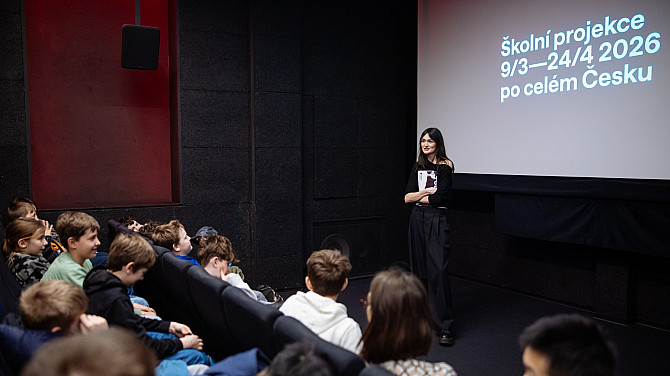
Young audiences have always been key for One World, but this year the festival is trying something a bit new with you. Younger audiences used to be reached mainly through school screenings and class trips to the cinema. Now we’re trying to attract them organically so they come because they want to. It’s a bit of a scary task. Do you think we have a chance, with today’s attention spans and competition from mobile phones?
Anna: Attention spans are definitely getting shorter, but there are still people who appreciate watching a film in the cinema. I love it, just like I love theatre. As the saying goes, art turns Earth into a planet instead of just a big rock. So I don’t want to underestimate people my age and younger, I’ll do what I can to draw them in. I think once they come, they won’t regret it. The key is simply getting the idea into their heads.
Bořek: It’s important to present information in a relaxed, non-aggressive way. And above all it mustn’t feel like school that’s something nobody likes. I’m less worried about attention spans and film length than about the way information is delivered. In the past, films could communicate through subtext, things could remain unsaid. Today, under the influence of Netflix, everything needs to be spelled out. People are used to doing other things while watching films or series. That’s probably the real problem today. You have to capture their attention.
Is humor the tool for that? I’m always a bit afraid of it. A joke isn’t an argument, and as we said, it can hurt.
Bořek: From my perspective, when people go on social media, they want to be entertained. And the generation we’re talking about needs to be attracted to the cinema in the same way. There has to be a promise of entertainment, even if my goal is to convey something important. So you have to find a balance between entertaining people and subtly delivering something meaningful.
People often function through emotions. A friend recently explained to me that there are different “energies.” If someone has blue energy, they communicate factually. Green energy is more about empathy and emotion. It might sound far-fetched, but I’m definitely more of a green-energy person. I want people to take something away emotionally from my videos rather than purely factually, even when I’m conveying information. I’m definitely a bit nervous. But it’s like going on a date – the nervousness means you care.
What in the program caught your attention first?
Anna: Definitely My Boyfriend the Fascist. I want to hear why someone would stay in such a relationship. I just can’t imagine it. It’s not like when your partner suddenly becomes ill and you stay with them in good times and bad. If it turns out they’re a fascist, why not just break up?
Bořek: There are many interesting contemporary topics that could attract young people. For example looksmaxxing, which seems crazy and incomprehensible to me, but also a bit fascinating. As a kid I was still building forts with my friends, so this whole generational obsession with that kind of lifestyle is foreign to me. Social media definitely plays a role. It’s not like they didn’t exist in my time I’m 23 but you can see the escalation with TikTok and similar platforms. Sometimes it feels like an episode of Black Mirror. I was also intrigued by the topic of female Viagra. It’s something that might teach us to think about things from a different perspective.
What’s your plan – how much time will you actually have for the festival?
Bořek: I don’t have a completely clear plan yet, we’re still putting it together, and for now I’m enjoying the brainstorming sessions. But that’s generally how I approach things. I do what I enjoy. I make videos, but I also embroider. I discovered embroidery is amazing, even though I don’t expect anything to come of it. Green energy!
Anna: I’m filming and performing in theatre, so I’ll only be able to prepare for One World in my free time and with certain limitations. I’ll definitely watch a few of the most interesting films. Ideally I’d like to see at least one film every day of the festival. It’s not perfect, it’s a bit too much but unfortunately that’s the only way I can contribute and take part. When someone asks me, “How are you doing?” my answer is: “Quickly.”
Accessibility
News
OW online
News
Photogallery 
Photogallery
Photogallery
Photogallery
Event
Photogallery
Photogallery
Photogallery
Event
Event
Highlight
Highlight
Accessibility
Highlight
Film tip
Film tip
Film tip
Awarded
Highlight