Short documentary
Just Jools
Jools’ dream is to become a dancer. With the help of her teacher, the twelve-year-old gradually discovers how to overcome her physical limitations, gain self-confidence, and find joy in movement.
One World also caters to younger audiences, presenting films that share stories of children from around the world and help young viewers better understand themselves and others.
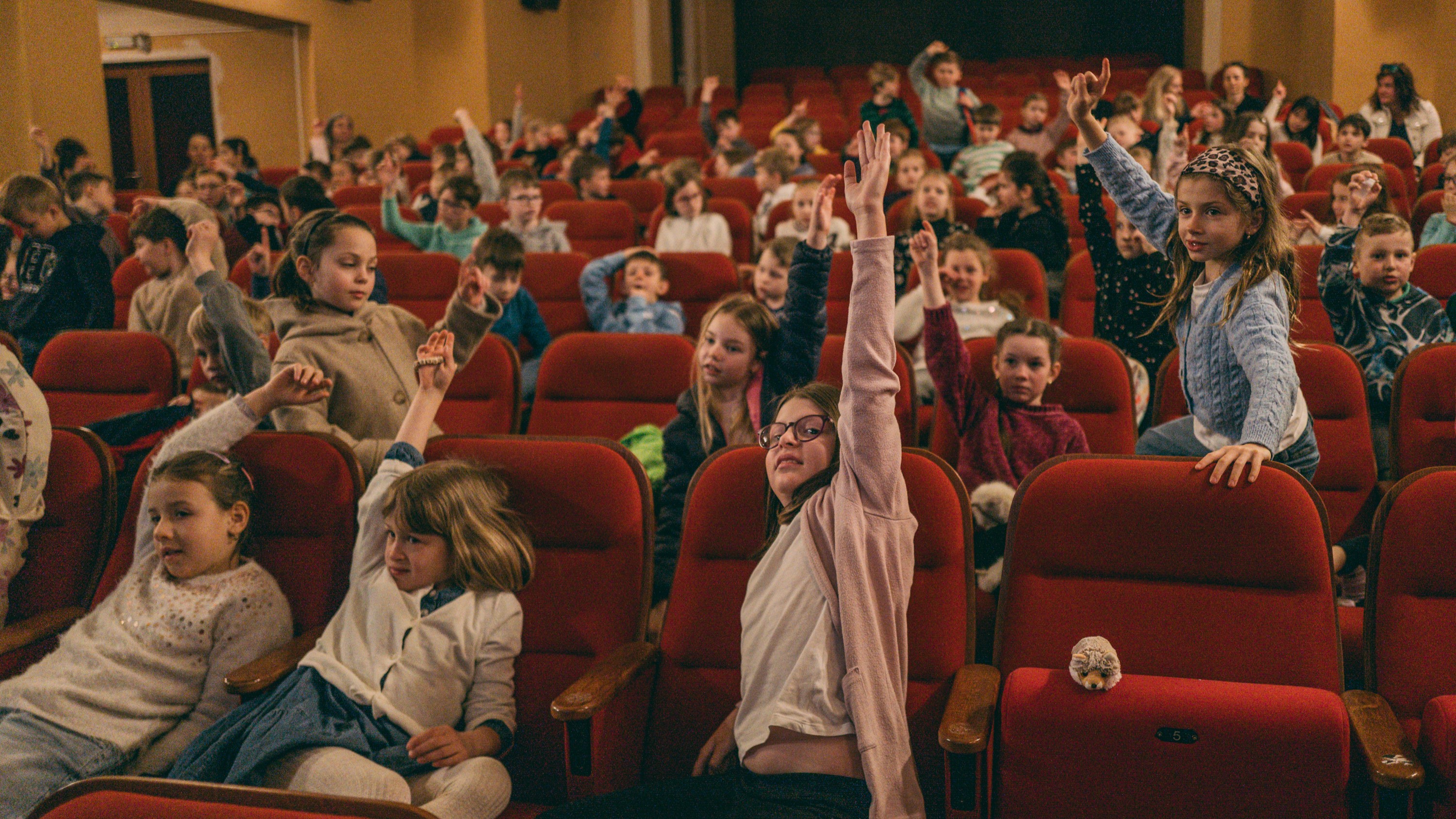
Through the young heroes of Just Jools and Alex – Everyone Is Special, we see that living with a disability does not mean giving up on one’s dreams. Perseverance, support, and friendship help them overcome even the greatest challenges.
Relationships and emotions take center stage in the animated film Don’t Blow It Up, where two friends learn anger management and how to find their way back to mutual understanding. Game Over highlights the power of imagination and creativity at a time when many children spend their free time on mobile devices.
Ela – Can Jump explores personal courage and the importance of family support while Sikoqqinngisaannassooq takes us to Greenland, offering a glimpse into how climate change is threatening the traditional way of life of local communities.
After the screenings, children can take part in themed workshops or enjoy a guided tour of the projection booth.
All films are presented in Czech only, without subtitles. Moderation between the films and the follow-up workshops are also conducted exclusively in Czech.
Short documentary
Jools’ dream is to become a dancer. With the help of her teacher, the twelve-year-old gradually discovers how to overcome her physical limitations, gain self-confidence, and find joy in movement.
Short documentary
Two little girls are playing together with a balloon. After a small disagreement, the friends get angry at each other. Eventually their anger swells so much they become floating balloons themselves.
Short documentary
A curious and imaginative boy, Simão creates his very own comic book, Game Over.
Short documentary
Alex is a happy, twelve-year old boy with autism who loves school and his friends. This year, he has set himself a challenging new goal: to learn how to ride a bike.
Short documentary
Everyday life, culture, and traditions of the Greenlandic Inuit community are under threat from melting ice, a direct result of global warming.
Short documentary
“Doing a standing somersault is super cool,” says twelve-year-old Ela, who trains intensively every day to achieve her goal.
Competition section
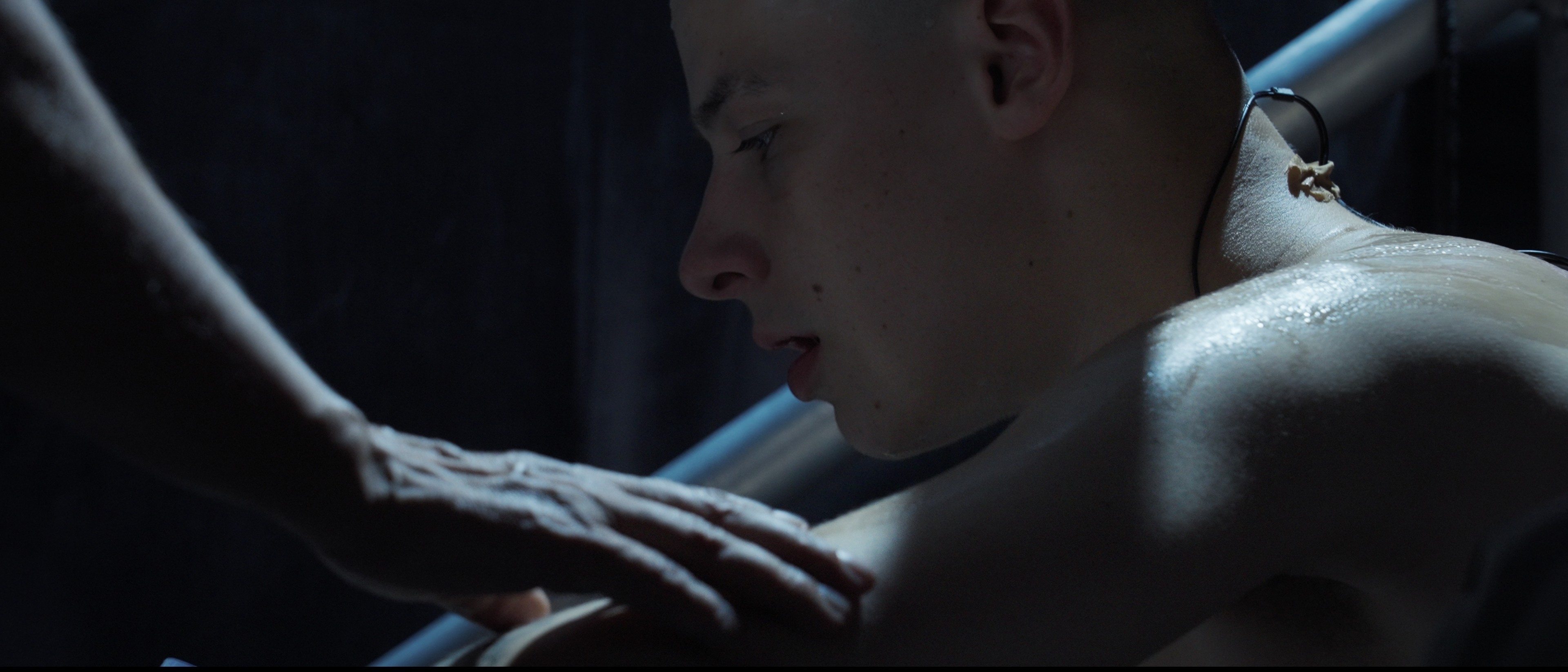
Refined cinematic explorations of challenging human-rights themes—this, in essence, is the vision behind the International Competition. The selection features films that have recently captivated audiences at the world’s leading festivals, showcasing—and often expanding—the possibilities of audiovisual storytelling in documentary cinema.
Competition section
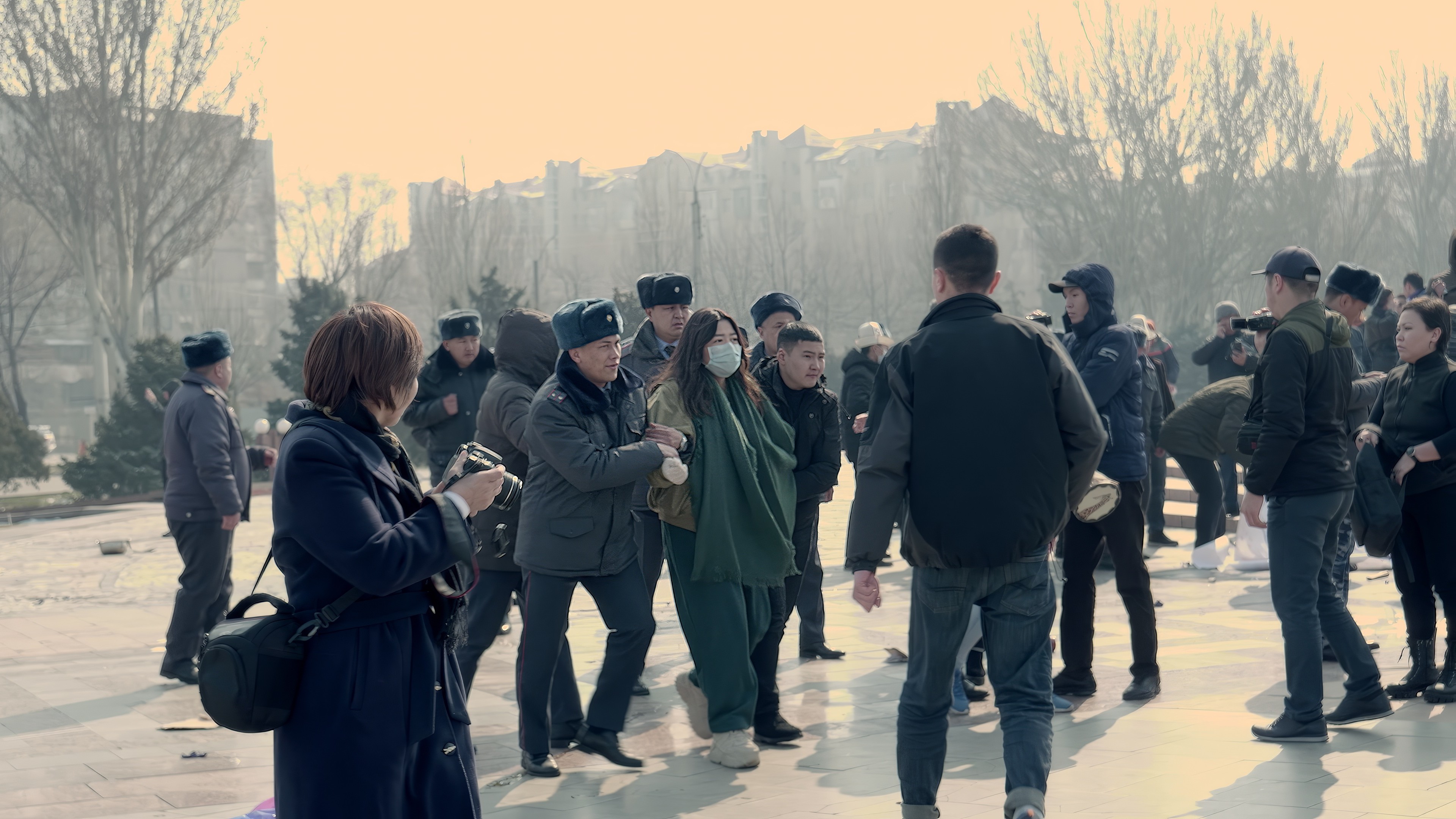
Ten films in the Right to Know section offer an insider’s view of the lesser-known corners of global affairs, told through the stories of people who have dared to defy regimes, traditions, or the everyday absurdities of power. Whether their David-and-Goliath struggles unfold at a prestigious American university, in autocratic Russia, or under decades-long Ugandan dictatorship, these stories inspire courage and empathy.

Competition section
The competition highlighting domestic documentary filmmaking in the context of human rights has long been a cornerstone of the One World Festival. This year’s selection brings together premiere screenings and films that have made an impact at Czech and international festivals, offering above all a showcase of diverse and inventive approaches to complex social issues. Audiences can look forward to ten compelling titles, presented in world, Czech, and distribution premieres.
Competition section
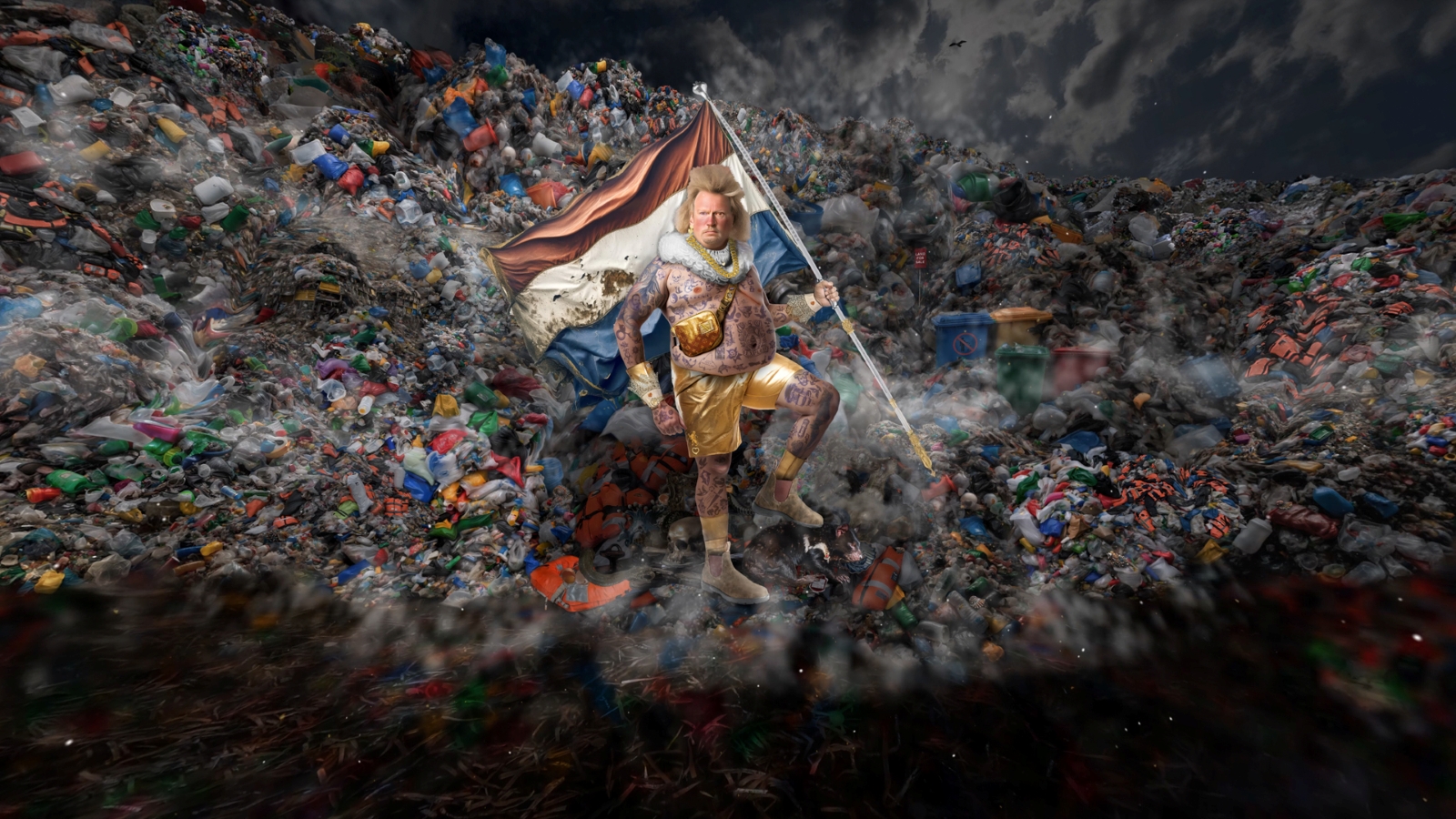
The competitive Virtual Reality section offers an immersive experience of both unprecedented imaginary worlds and pressing real-world themes that resonate with society: from the anti-capitalist fairytale The Sad Story of the Little Mouse Who Wanted to Become Somebody, to the captivating visual epic Revival Roadshow, which deconstructs Dutch colonialism in Australia, and finally to the delicate essay on mental health in Japan, If You See a Cat.
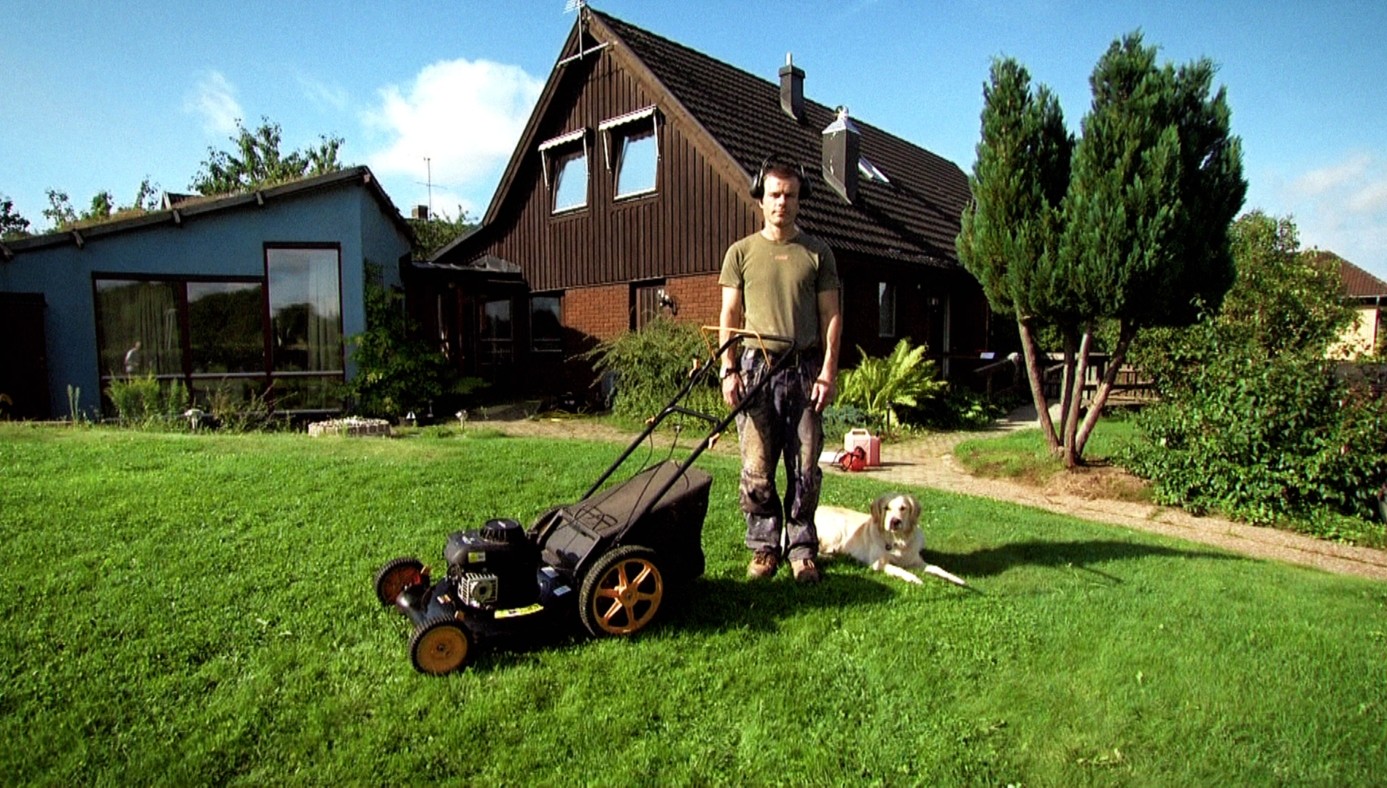
Thematic section
In his loose film series, the remarkable Norwegian filmmaker Gunnar Hall Jensen embarks on an uncompromising exploration of life’s complex questions and his own dark inner landscapes. Through brutally honest, self-revealing documentary films, he constructs a constantly evolving self-portrait, offering a raw insight into the pressing issues he and society grapple with—whether sexuality, relationships, personal crises, escape from Western society, the challenges of parenthood, or contemporary, often toxic masculinity.
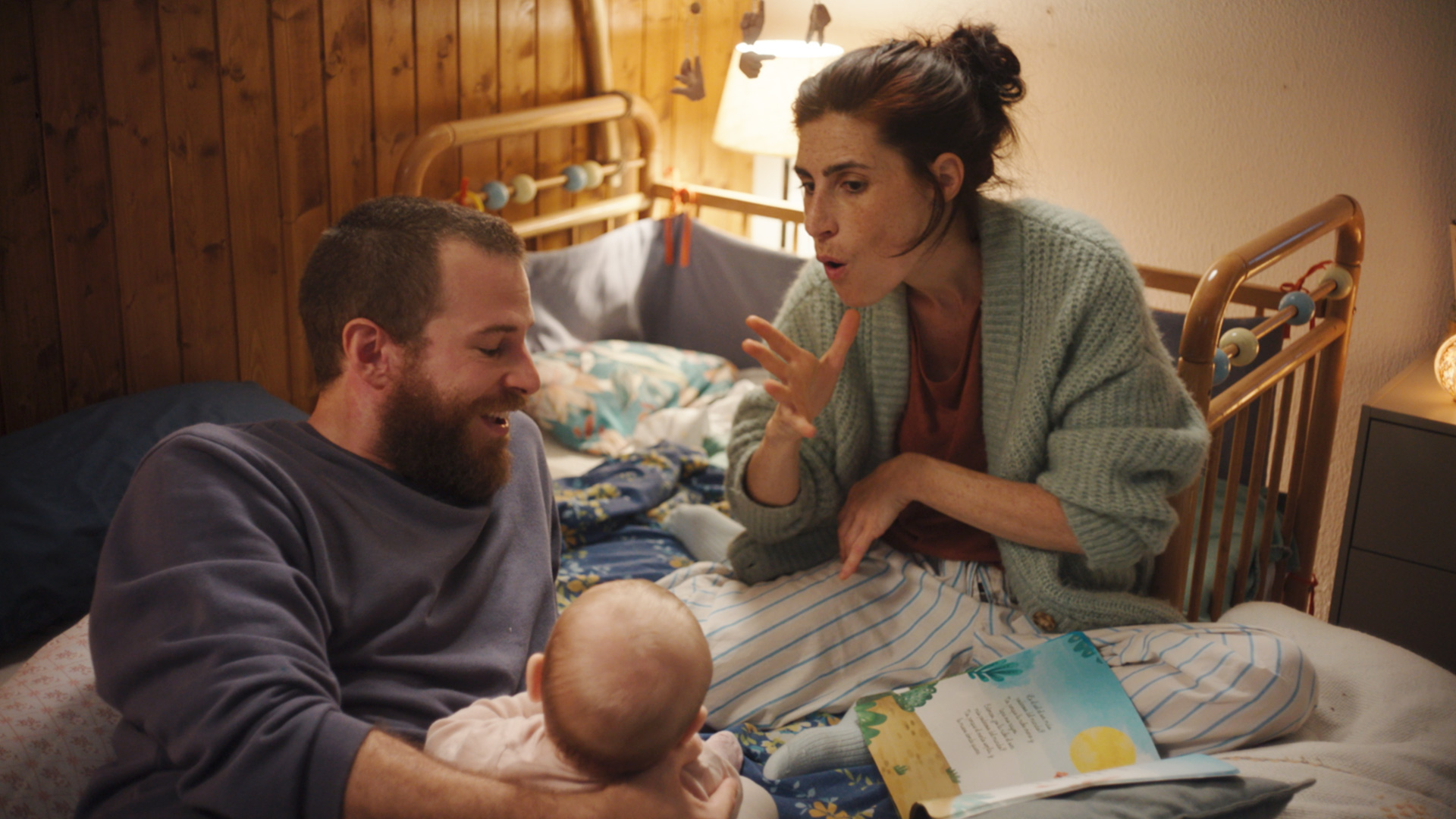
Thematic section
What defines a dignified life? Is it our abilities, or the environment that surrounds us? This year, the One World for All category presents stories that challenge conventional notions of disability, portraying it not as an individual “handicap” but as the product of systemic, communicative, and mental barriers. The selected films invite us to see the world through the eyes of those whose voices are often overlooked in debates about autonomy.
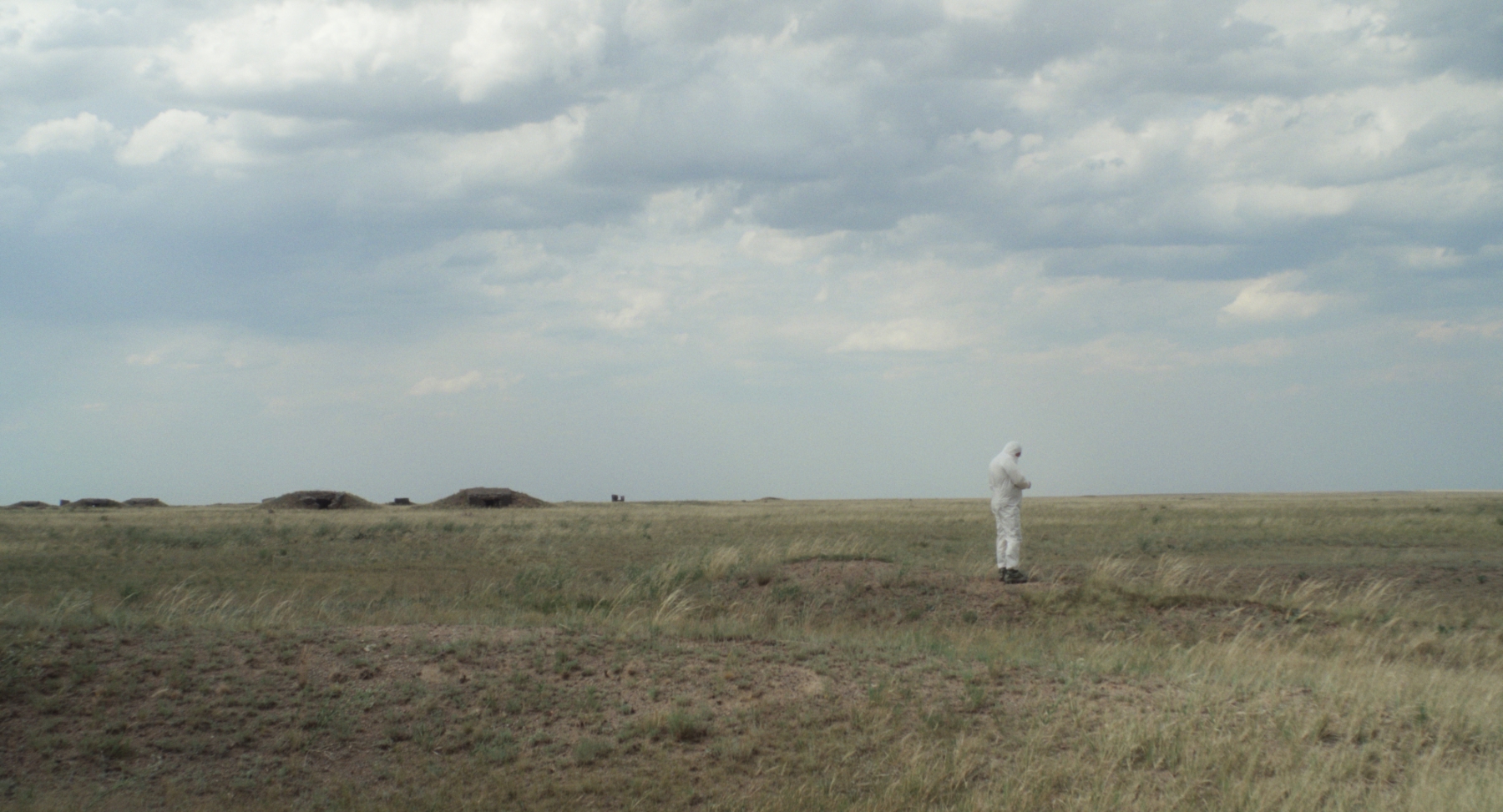
Thematic section
Climate issues are increasingly intertwined with social and political questions—a trend that is clearly reflected in contemporary environmental films. These works rarely settle for merely highlighting ecological problems; instead, they embrace complexity, mirroring the multifaceted challenges society faces in the wake of climate change. Together, they confront us with a pressing task: to imagine constructive narratives that offer not only potential solutions, but above all, hope.
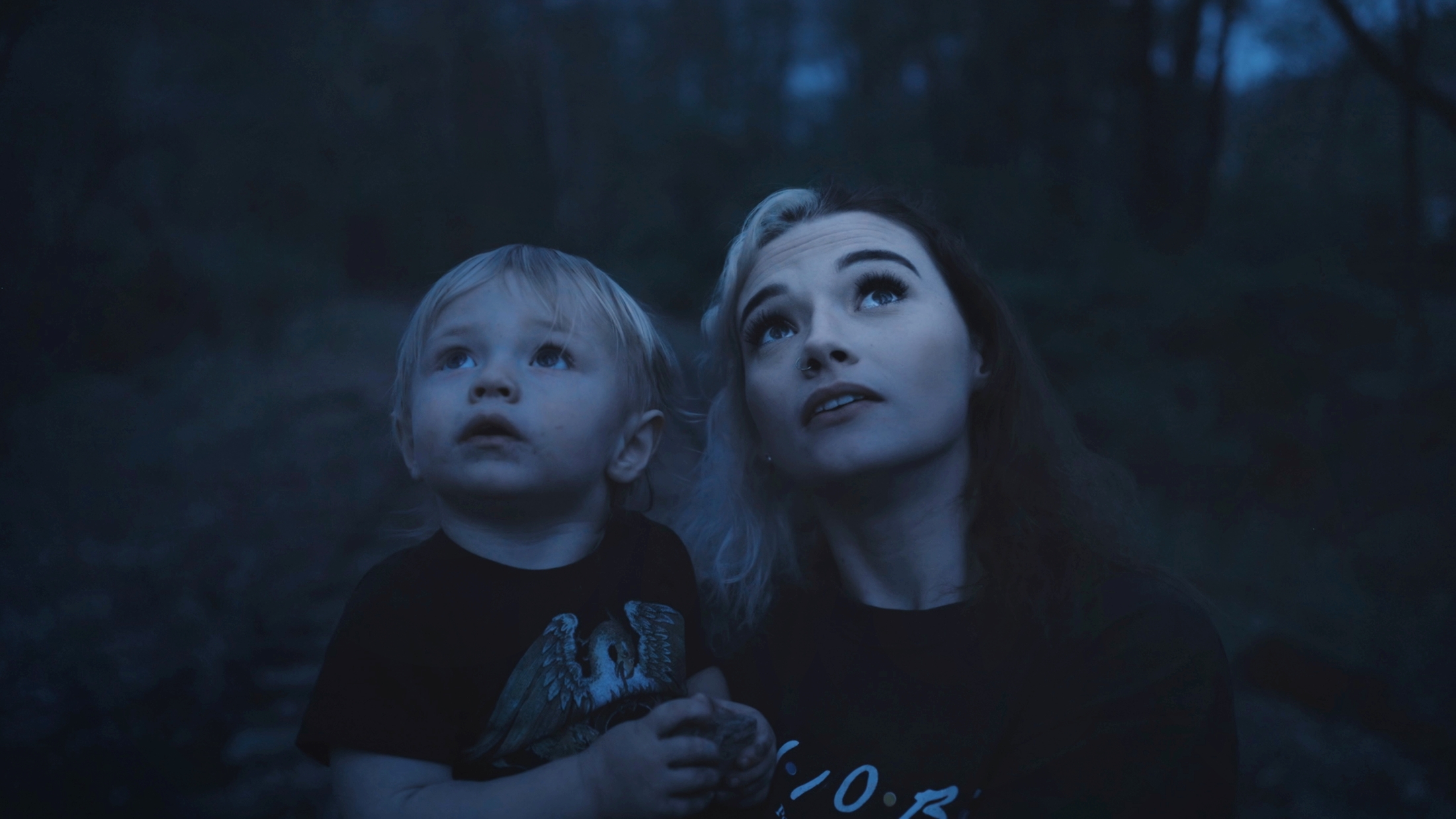
Thematic section
Endless possibilities, a torrent of worlds, signals from the cosmos; but also accelerated consumerism, online threats, and a loneliness that kills. The Vision of Today section paints a vivid portrait of the contemporary technological landscape and its impact on our lives.

Thematic section
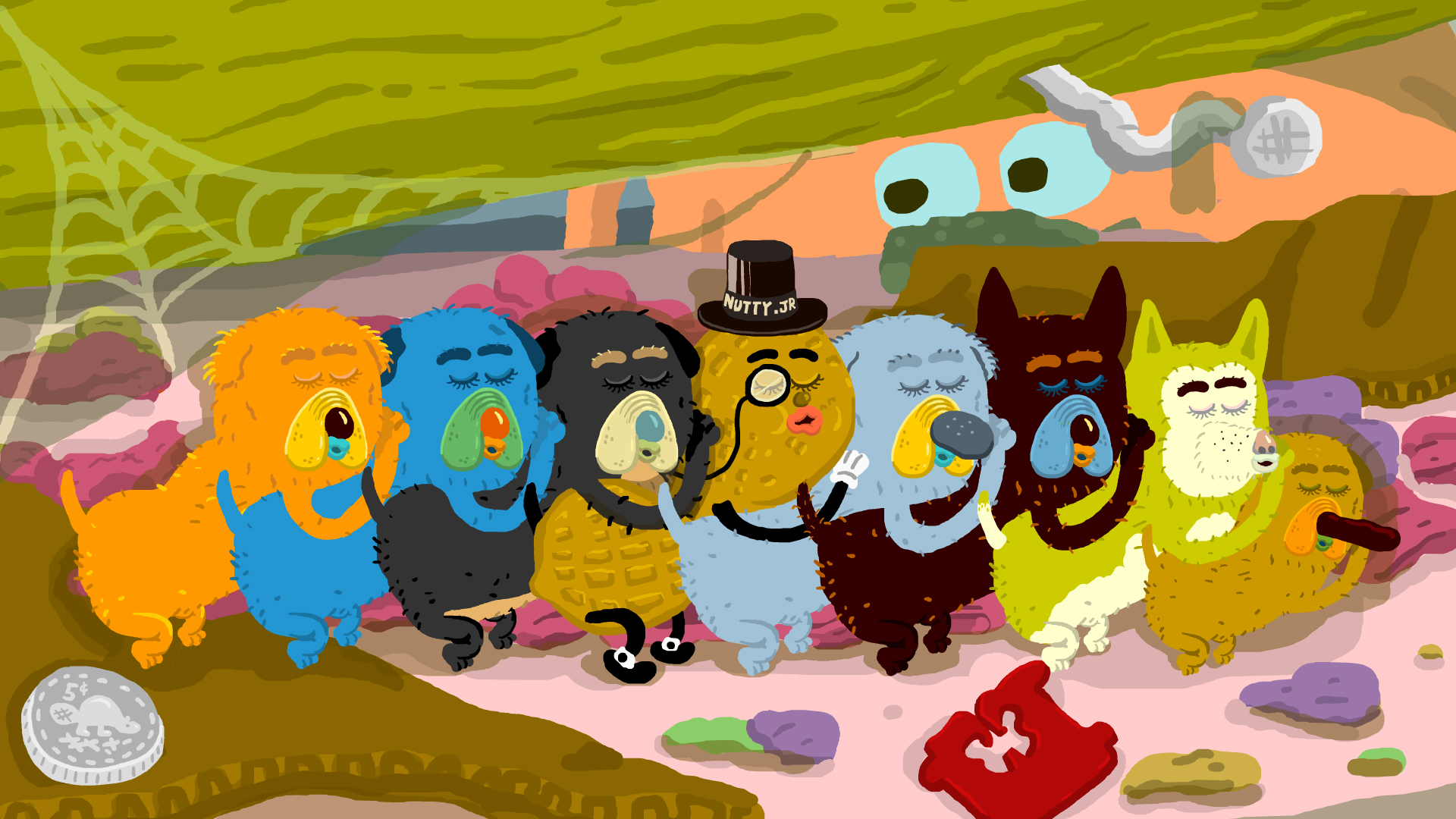
An unconventional approach to life’s journey unites nine films about people who, despite the pressures of their time, family, or society, choose to move against the grain of accepted norms. Through intimate personal stories and wider social conflicts, these films show that crossing boundaries can be both painful and liberating, and that freedom sometimes begins the moment we dare to question what is usually considered normal.
Thematic section
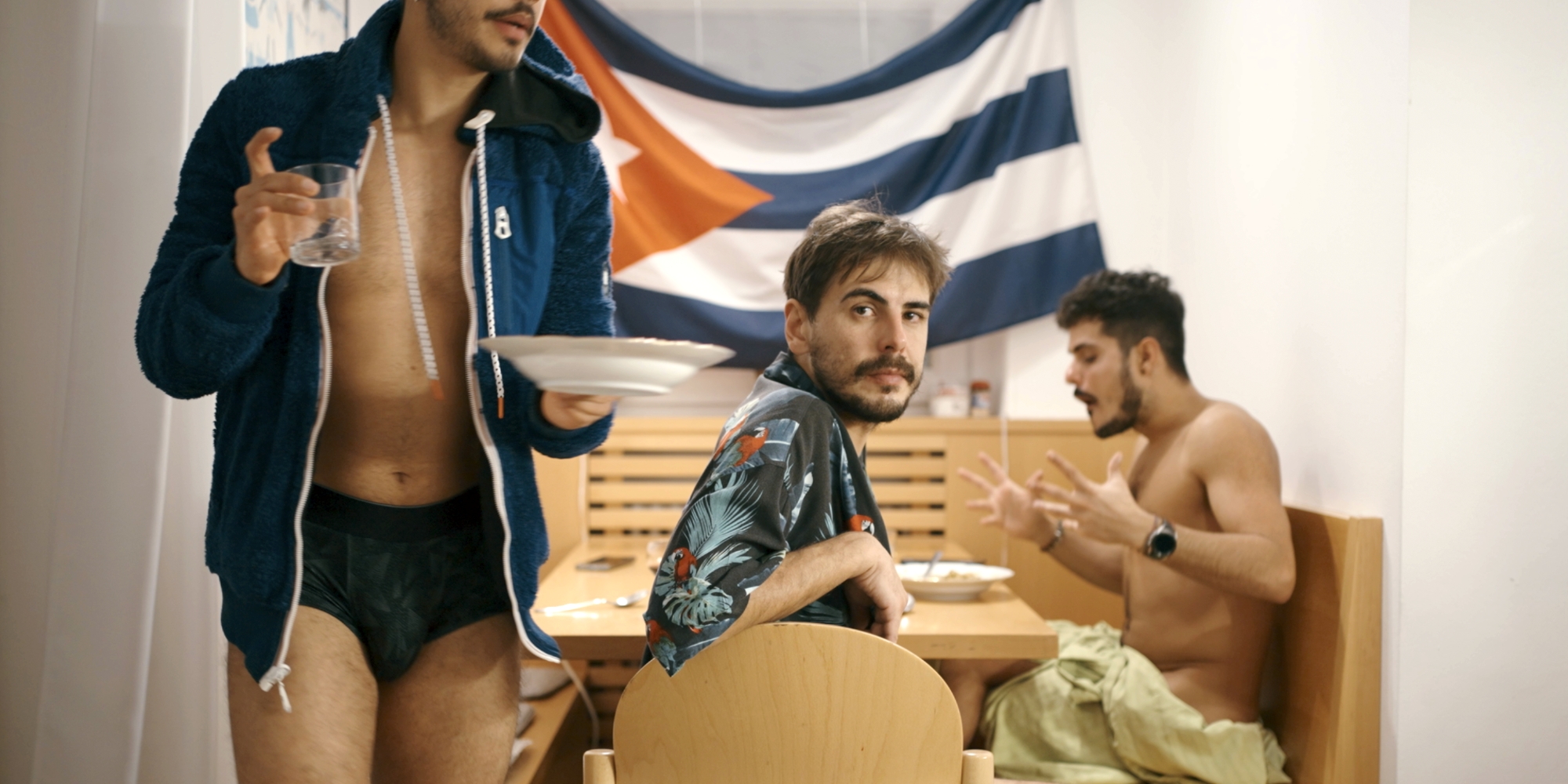
This section maps the intense movement of society between community and spirituality, whether it takes the form of a turn toward esotericism, new religious movements, or communities bound by tradition, faith, or shared life experiences.
Thematic section
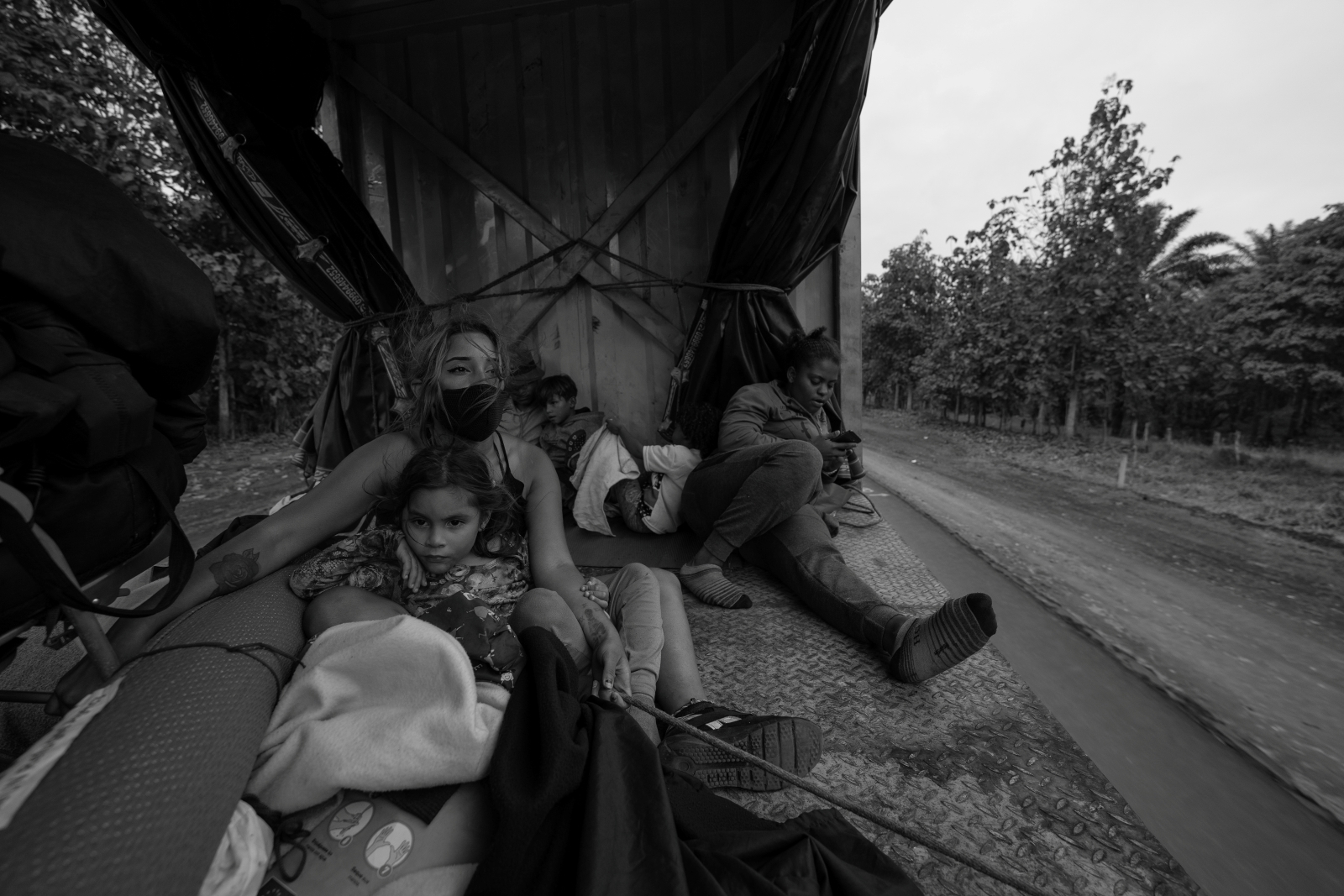
Open dialogue is the foundation of democracy. In today’s highly polarized climate, people are increasingly retreating into echo chambers, reinforcing their own truths without the willingness to explore the perspectives of others. The section Fault Lines examines the forms of today’s divided society and presents ways in which people can understand one another across diametrically opposed beliefs.
Thematic section
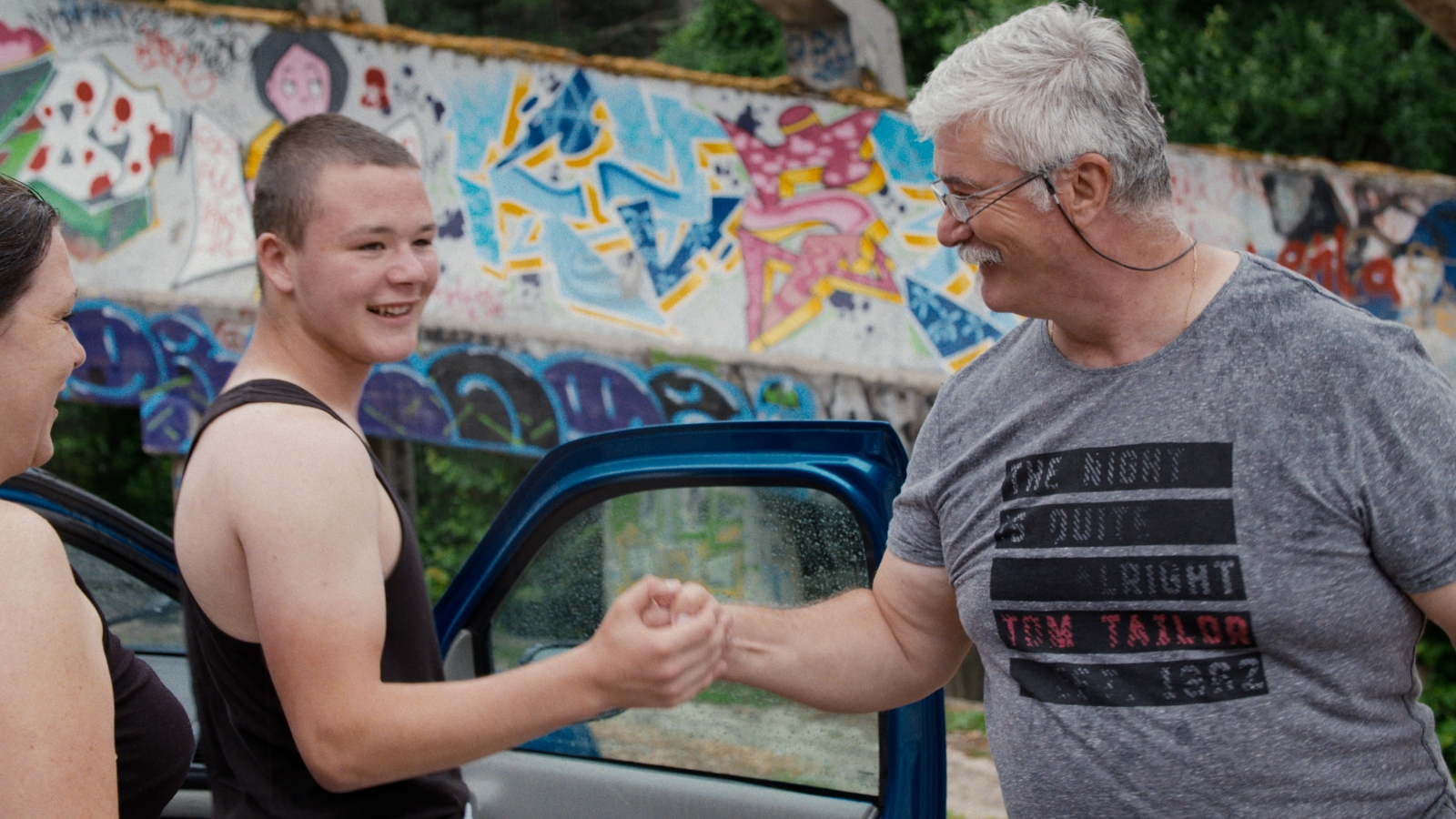
In a world flooded with devastating news on a daily basis, repeating the mantra “courage every day” can be what helps us get out of bed each morning. Finding the inner strength to face what we, as ordinary people, have zero control over is often a superhuman feat, even in places untouched by war or natural disasters. Nine films exploring the ways people cope with the weight of reality seek to illuminate how we can find meaning in turbulent times, when the certainties we rely on seem to be crumbling.
Thematic section
At a time when the world is changing far more rapidly than ever before, generations perceive reality in strikingly different ways. What once unfolded over twenty-five-year cycles now comes and goes in the blink of an eye. Building mutual understanding in this fast-paced world is especially challenging, as each emerging generation shapes its own political, technological, and social landscape—and develops unique ways of forming relationships and identities. Yet society’s fragmentation need not be permanent; fostering dialogue often begins simply by listening to what each generation cares about and believes in.