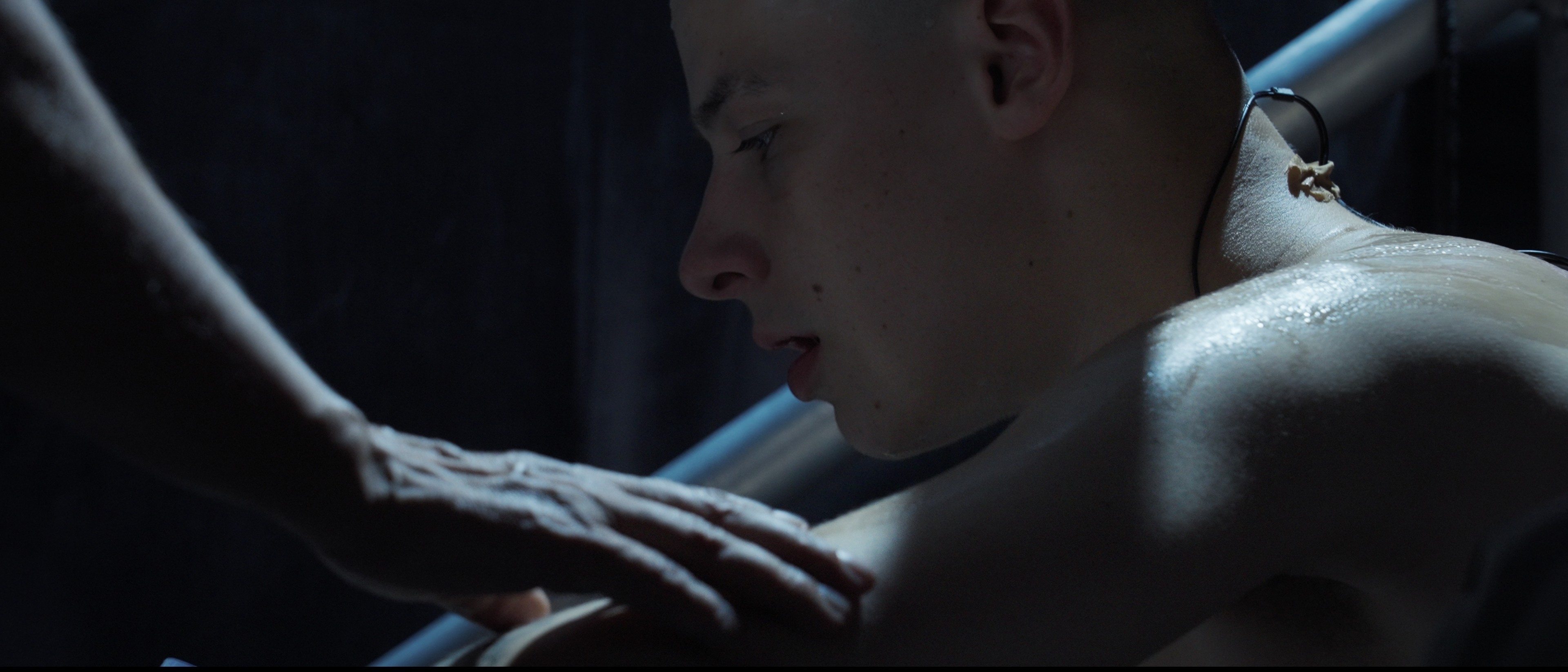
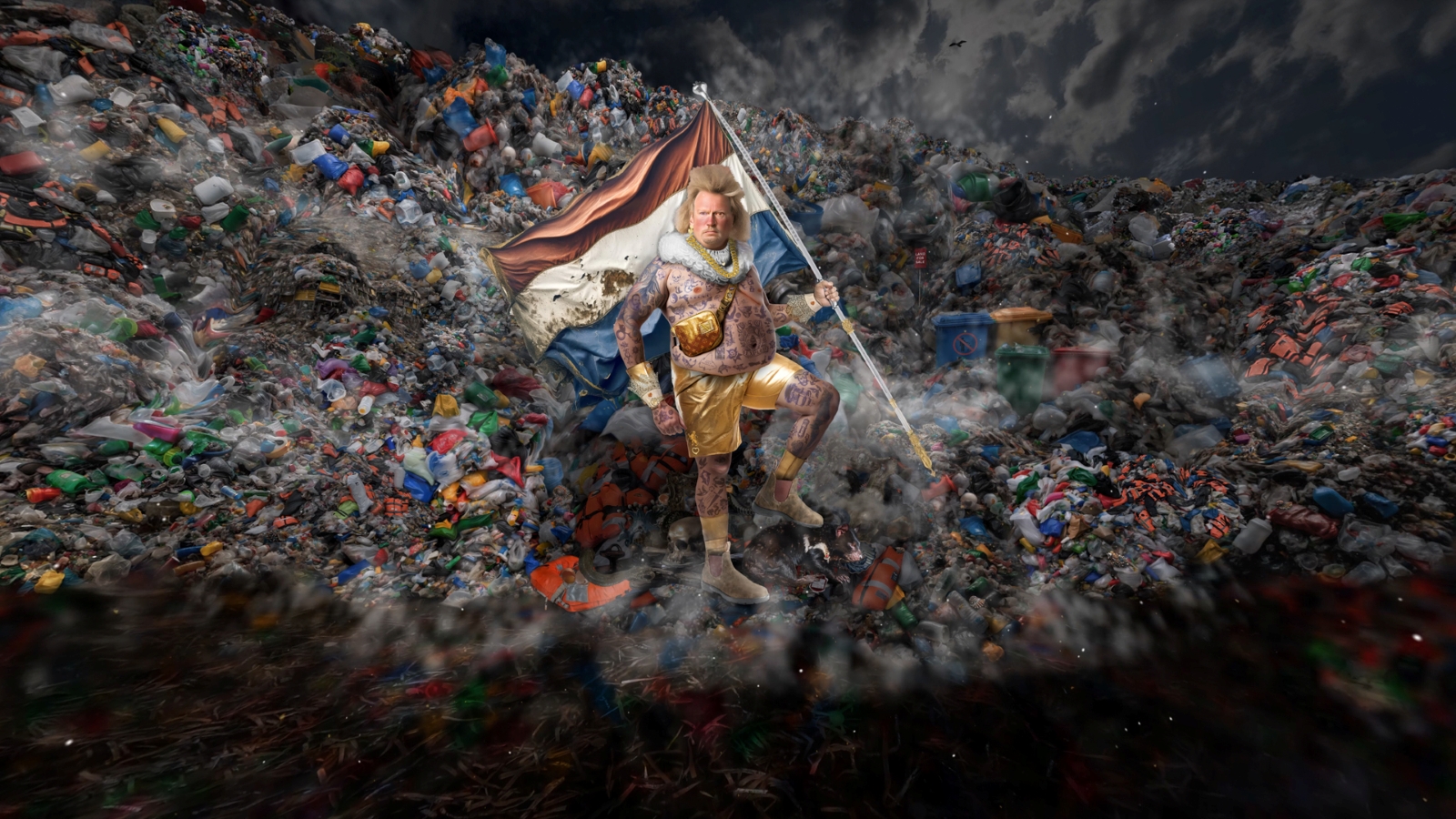
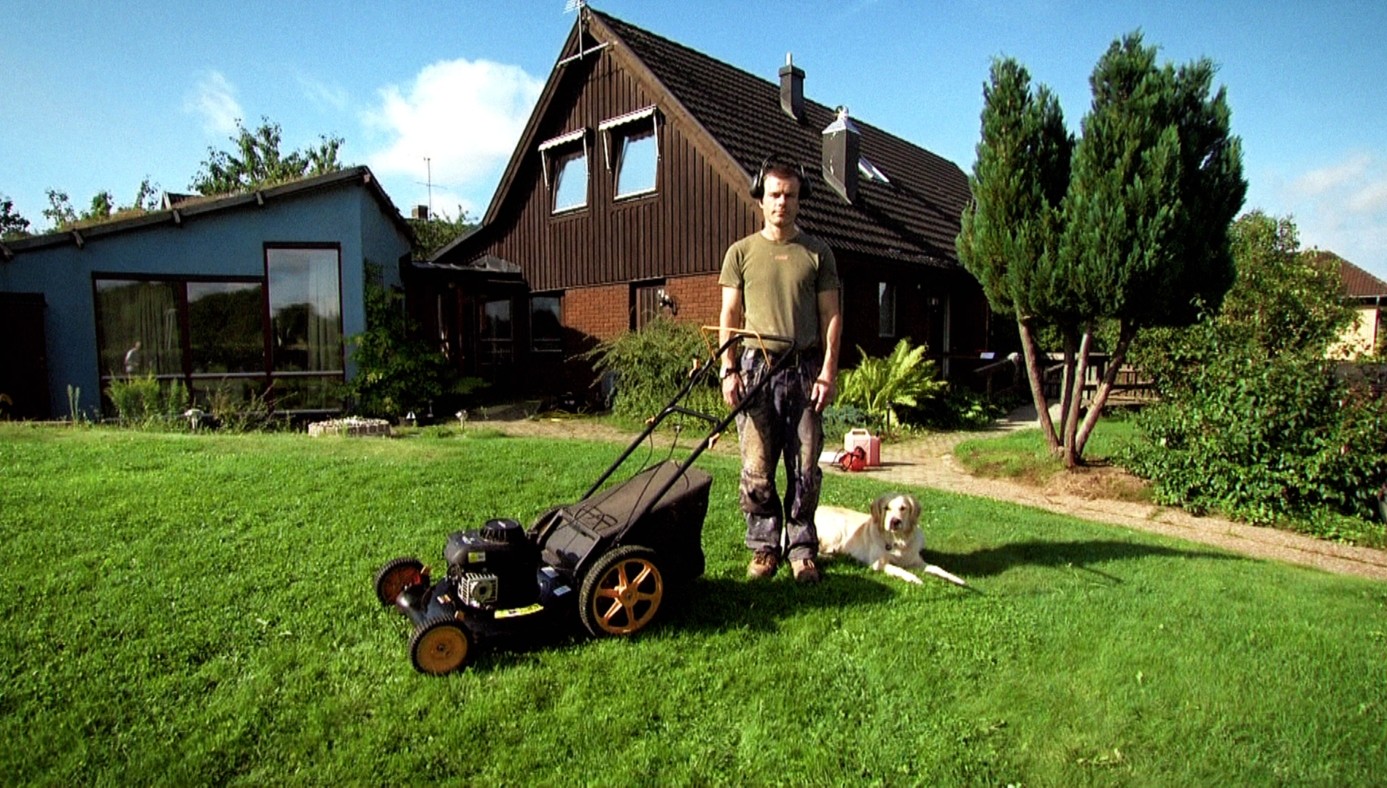
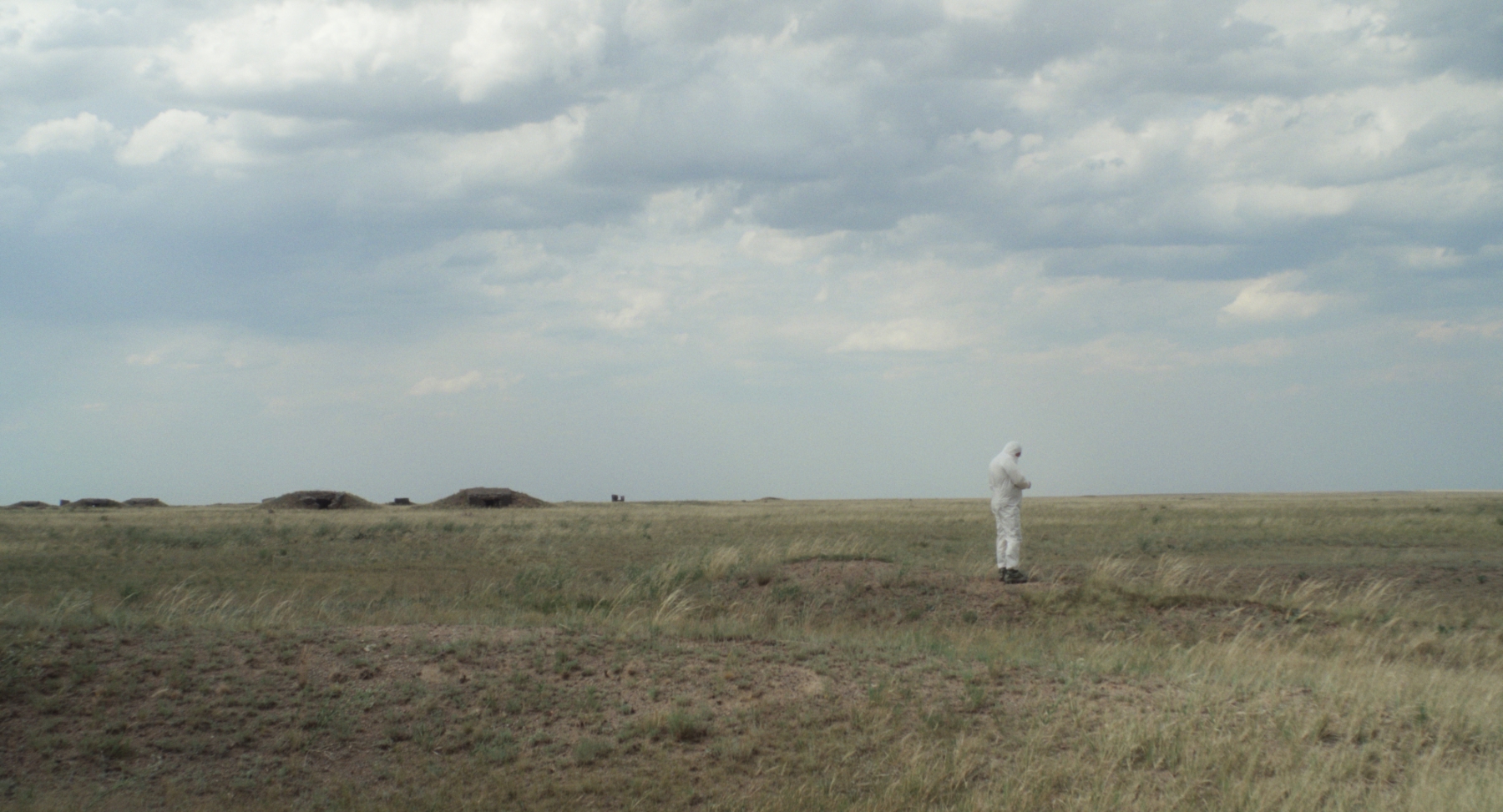
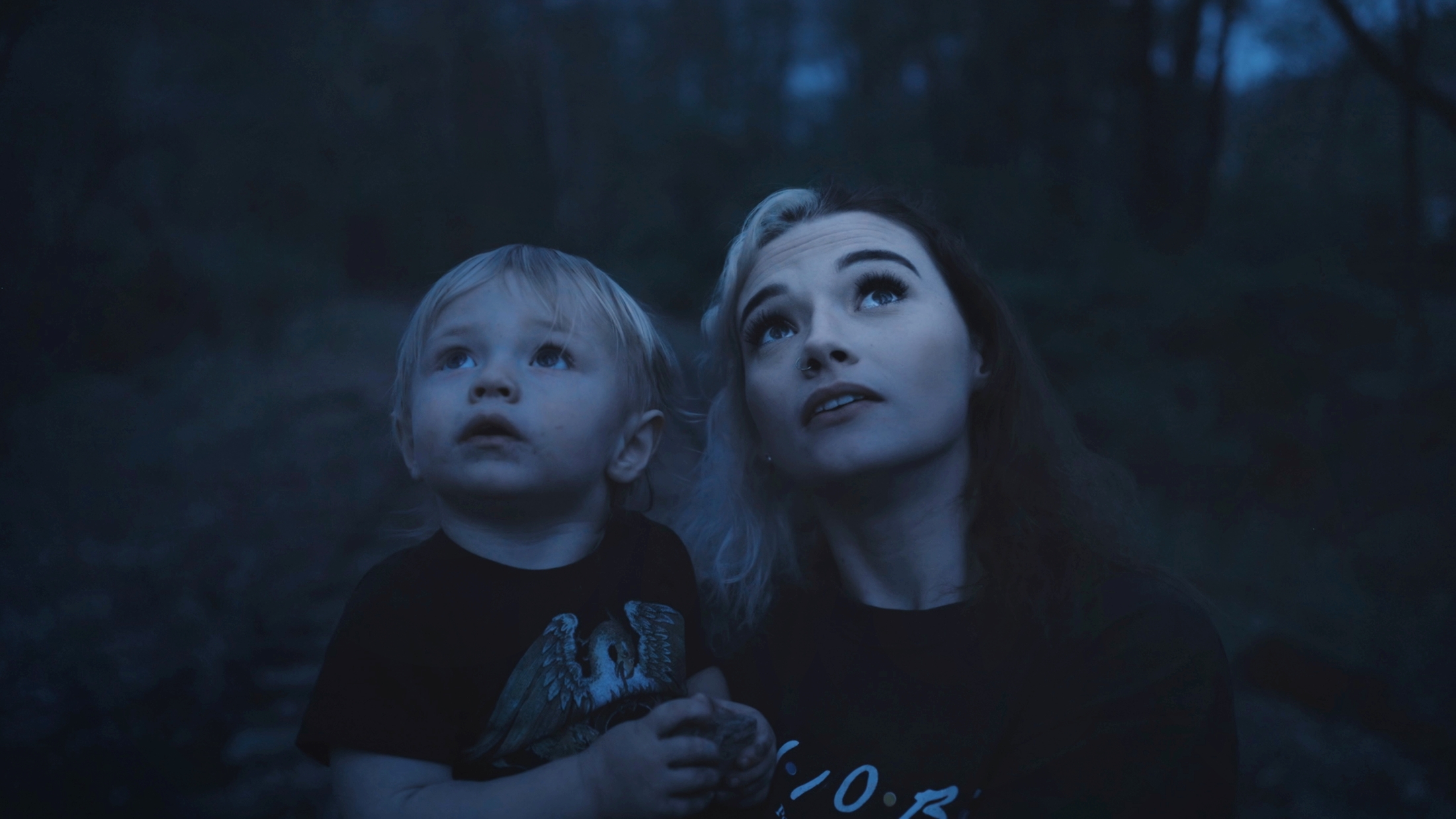
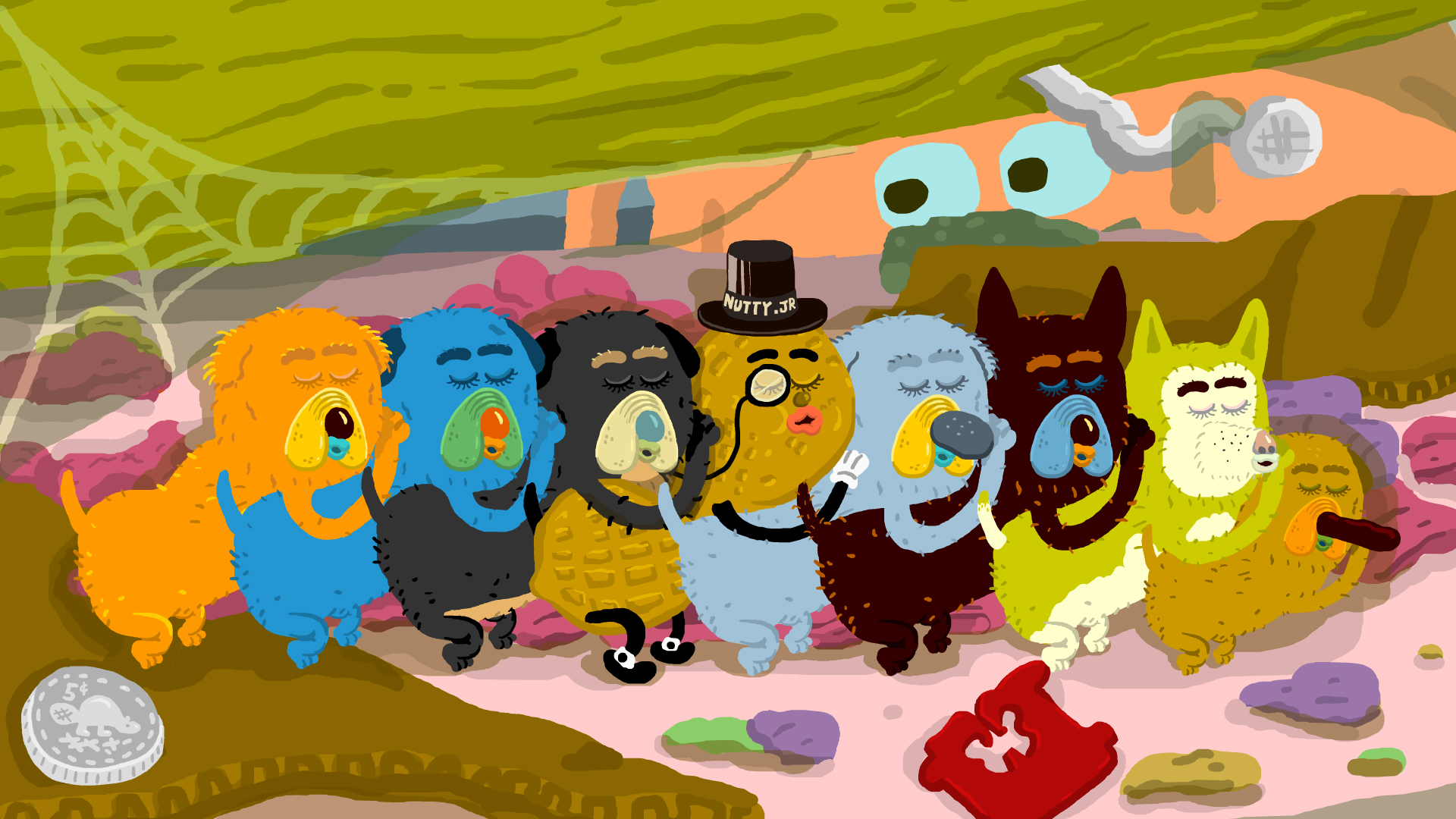
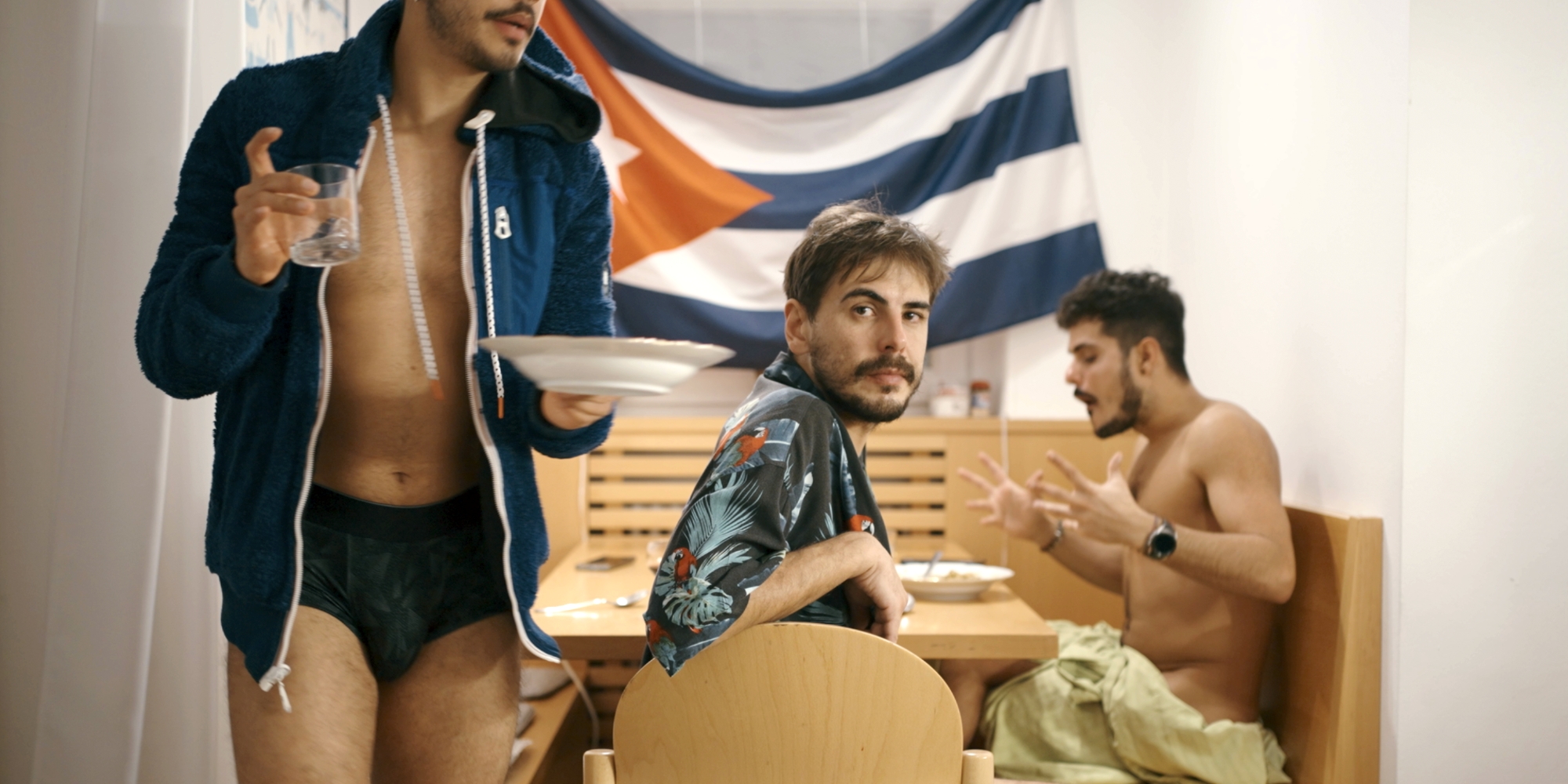
A chilling exploration of the ethics of modern care is offered in the documentary Life After. Director Reid Davenport, through the personal perspective of a filmmaker with a disability, reveals how, within an unforgiving system, assisted death can become a “more accessible” option than securing a dignified life. A similarly provocative question—whether it is the individual who is “crazy” or society itself—is posed in the bold narrative film How To Be Normal and the Oddness of the Other World. The story of Pia, who struggles to adjust to life after returning from a psychiatric ward with new work, medication, and stigma, serves as a raw commentary on the pressures of conformity.
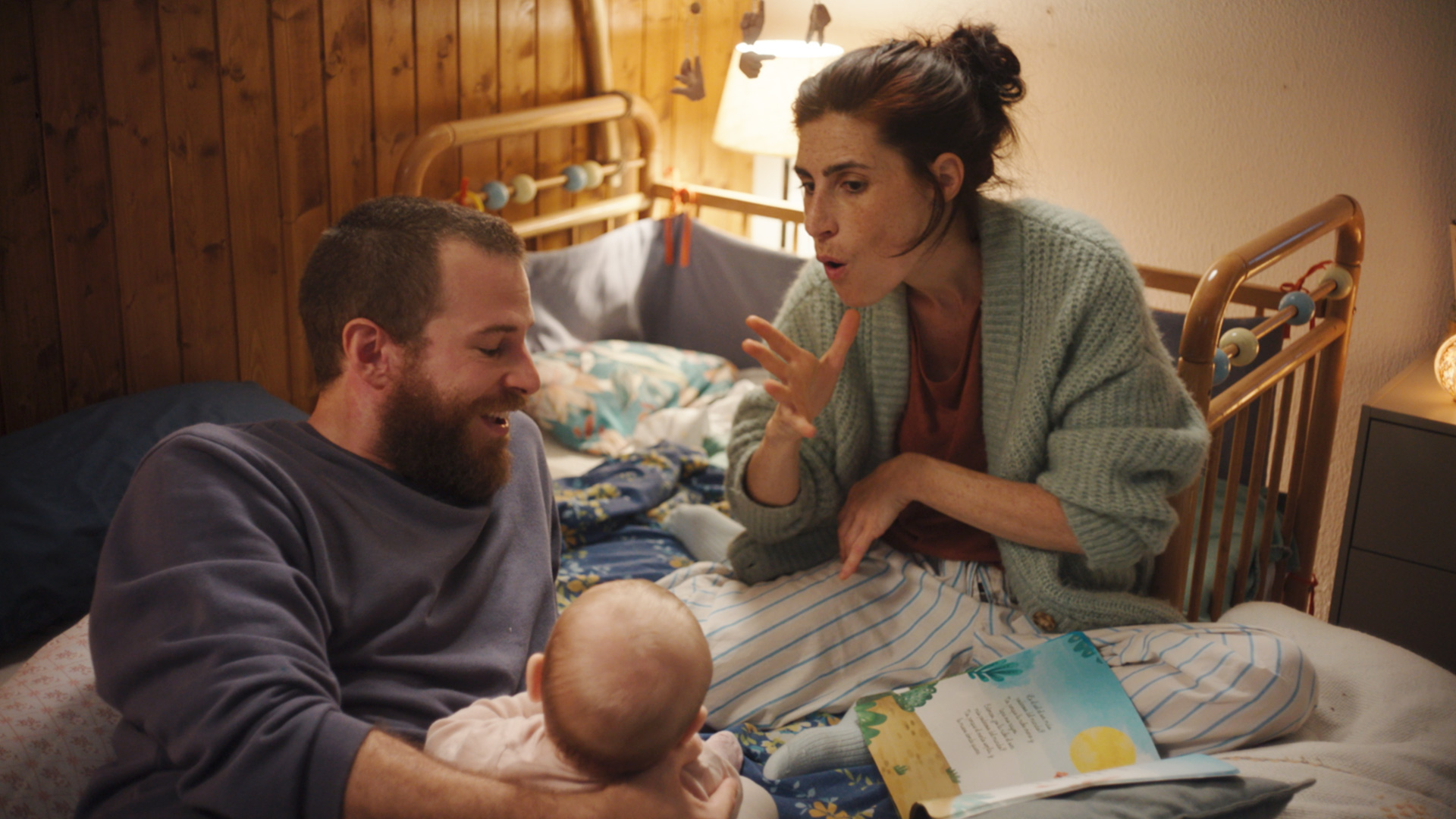
The theme of authentic representation runs through the documentary Marlee Matlin: Not Alone Anymore, which explores the life of the first Deaf actress to win an Oscar, revealing the personal cost of success in a Hollywood that often rejects difference. The intimate dimension of the Deaf experience is further brought to life in the narrative film Deaf, following Angela as she navigates the challenges of motherhood in a society that provides little support for deaf parents. Boundaries of sensory perception are pushed even further in Out of Frame, where a blind filmmaker travels across Europe with a camera strapped to his chest, demonstrating that vision is not the only way to experience the world.