OW online
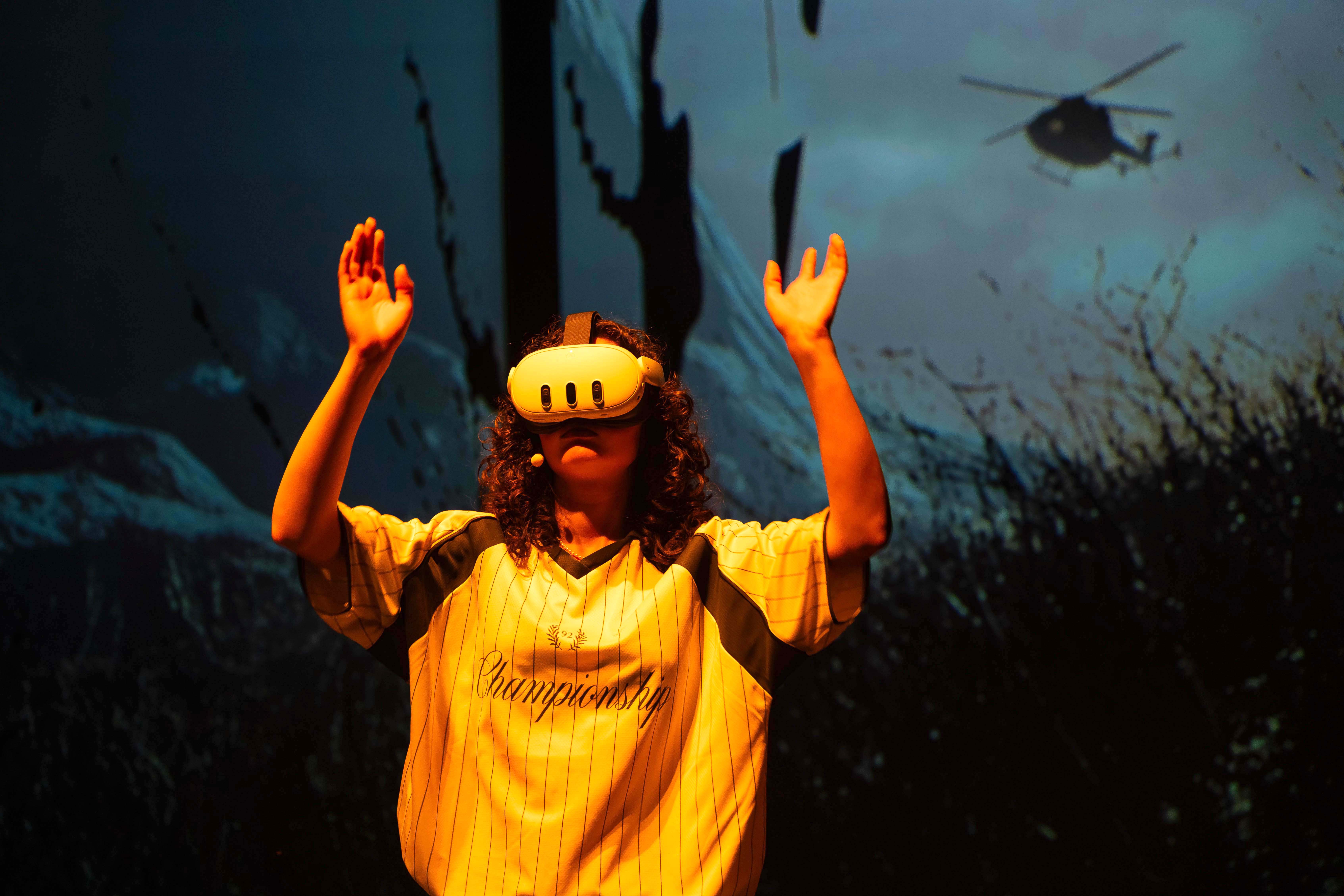
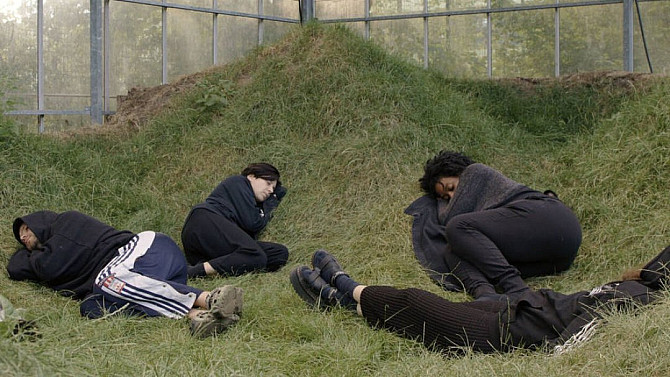
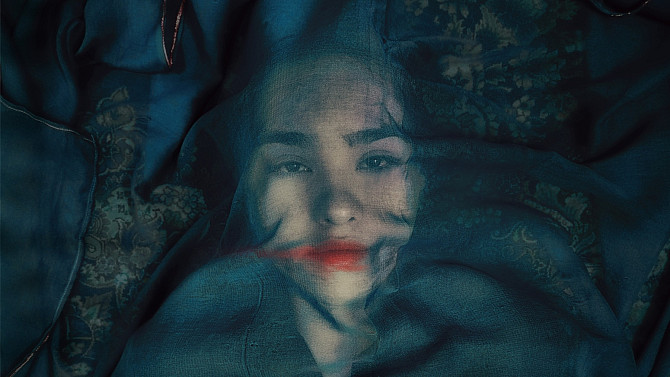
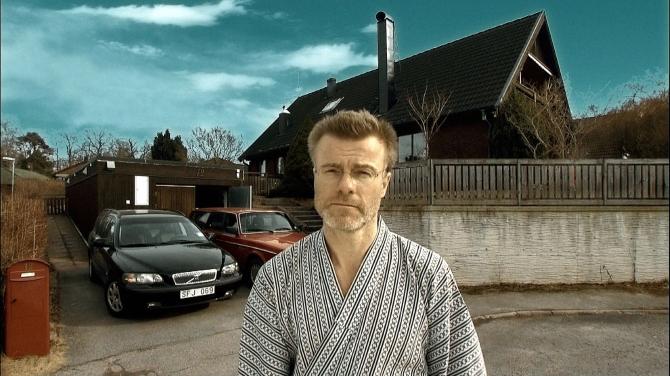
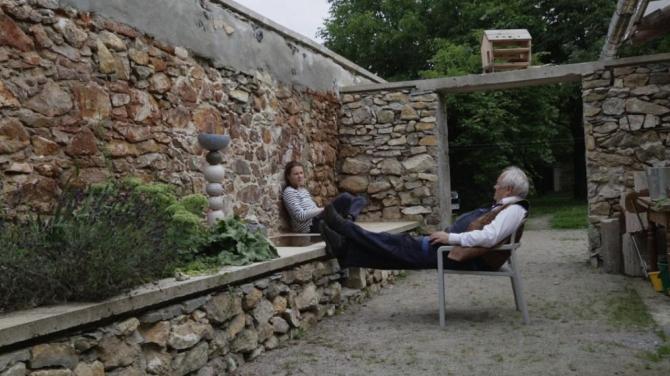
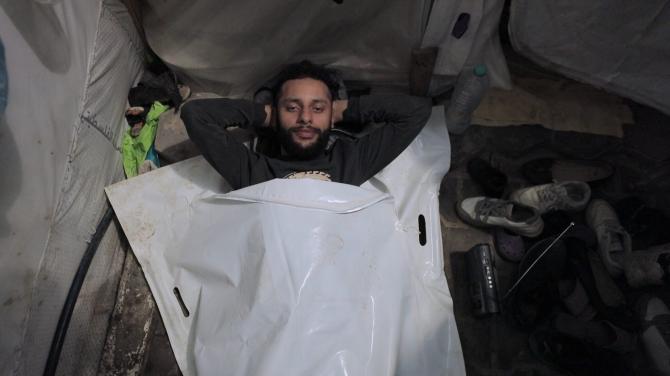
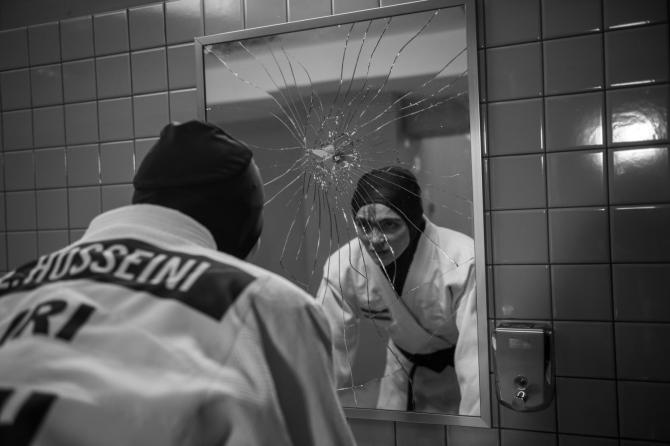
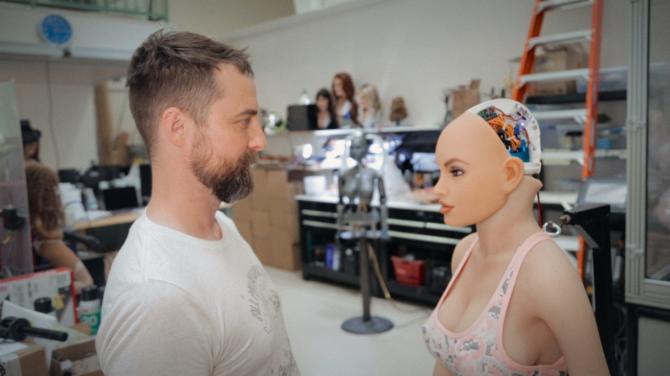
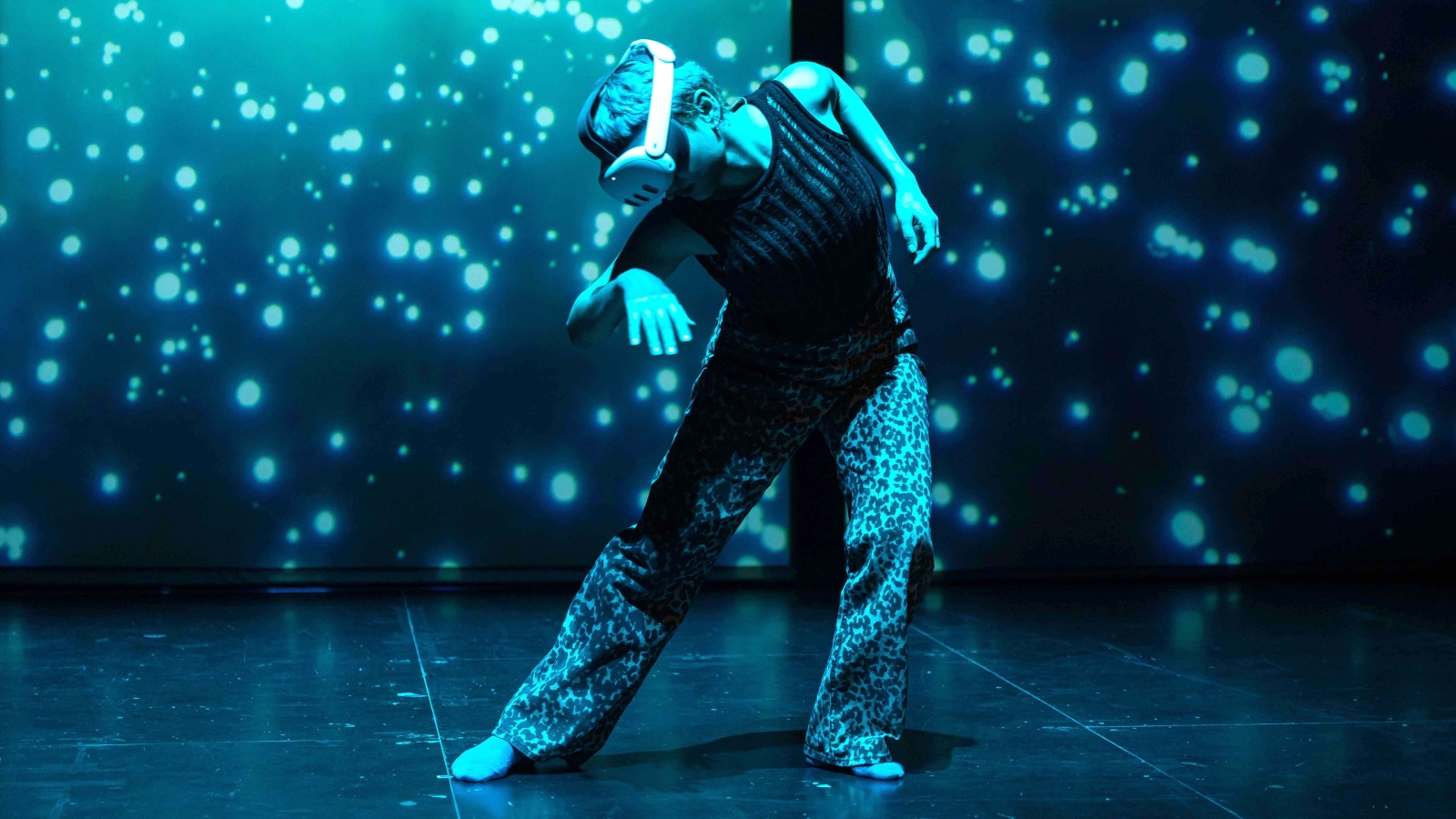
"There is very little visual documentation of what people seeking refuge actually go through. That is why we chose virtual reality as a way of bringing those experiences closer to audiences," say Martin Mahlknecht and Martin Prinoth of the German-Italian duo TÒ SU about their theatre production Oh Europa!. The performance combines real-life stories of people with lived experience of displacement, documentary film, and virtual reality. Through this multimedia work, TÒ SU explore what the journey to Europe entails and what kind of Europe those seeking a safe home hope to find. The performance will be presented on 1 December at Divadlo X10 as part of the Prague German-Language Theatre Festival. Its presentation was initiated by the One World Festival, which first collaborated with TÒ SU during a previous edition when the duo showcased their work in the festival’s Virtual Reality section.
In your multimedia documentary game, five people with refugee experience use virtual reality to reconstruct dangerous attempts to cross Europe’s external borders. How did you find people who had personally experienced fleeing their home countries?
TÒ SU: The idea for the project emerged in our own neighbourhood of St. Georg in Hamburg, right next to the city’s main railway station. It is a busy and constantly changing place where people from all over the world arrive. Different cultures and life stories meet here, including many stories of migration, displacement and the loss of home. It was here that we met the people whose experiences later became part of the performance.
How much space were they given to tell their own stories?
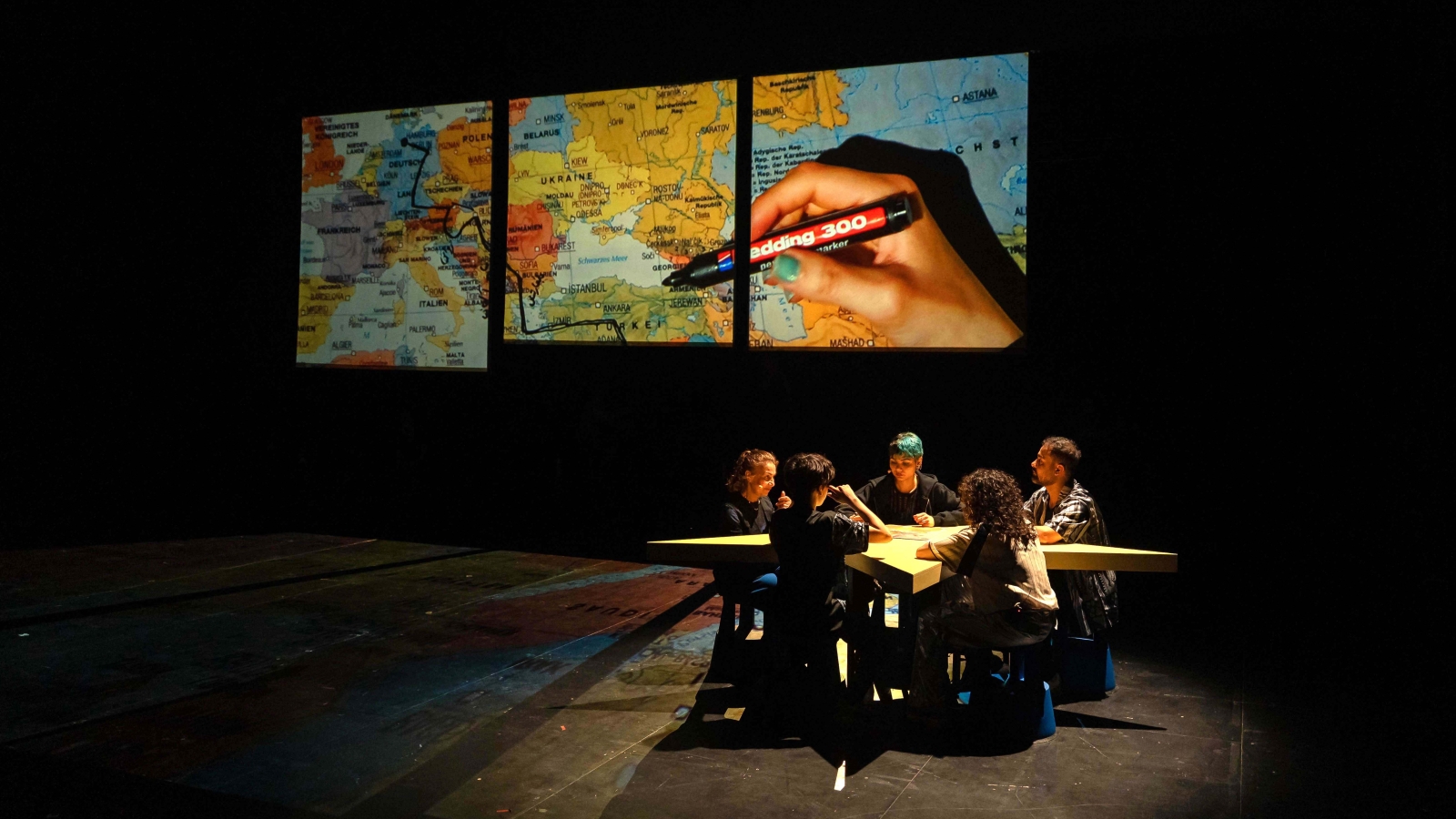
TÒ SU: From the very beginning, we worked closely with the protagonists. During personal meetings and conversations, they first shared their experiences with us. Together, we then decided which parts of those experiences should be brought onto the stage. Throughout the rehearsal process, we developed these stories further and explored how they should be presented in the performance.
In the virtual reality scenes, we were especially interested in the moments that remained most vivid in people’s memories: their emotions, sensory impressions, and even seemingly insignificant details. We also wanted to create a space where the protagonists could share their experiences directly with one another. That is why the performance includes two filmed sequences in which they tell each other their stories in their native languages, Arabic and Persian.
Why did you decide to portray border-crossing experiences through virtual reality?
TÒ SU: What happens at the external borders of the European Union remains relatively distant for most people. Yet for those who cross these borders, it is a life-defining experience. Those of us living within the European Union can easily push it out of our minds, especially when it does not affect us directly. At the same time, it is closely connected to our lives.
These events also remain largely hidden from view. There is very little visual documentation showing what people seeking refuge actually experience. We therefore chose virtual reality as a way of making these otherwise invisible experiences accessible to audiences. We placed them within a shared visual space and projected them onto a large screen, allowing viewers to encounter them in this way.
Did working on the performance change your own view of Europe, its borders, and the idea of a safe home?
TÒ SU: One particularly powerful moment during rehearsals was our collective discussion of the 1951 Geneva Refugee Convention. The convention was created in the aftermath of the Second World War and aims, among other things, to prevent people seeking protection from being returned to countries where they face persecution, torture, or death.
Reading and discussing this document together with people who had personally experienced violations of its principles was a profoundly moving experience for us. All of the performers have firsthand experience of the convention’s rules not being respected in practice.
We knew this was a serious issue, but hearing their stories made us realise its true scale. It is not only a question of the European Union’s credibility, but also of the credibility of democratic values and human rights. The Geneva Refugee Convention only has meaning if its principles are genuinely upheld. If we want to live in a society founded on democracy and humanism, we must change the way we welcome people seeking safety. Unfortunately, current European asylum policies are moving in the opposite direction.
What kind of Europe do the people whose stories are told in the performance envision?
TÒ SU: They want a Europe that sees diversity as an enrichment rather than a threat. A Europe that welcomes people, listens to them, and is able to look beyond its own borders. A Europe founded on empathy and compassion. One that protects children and offers them help instead of leaving them to die. And above all, a Europe that respects the laws and principles it has committed itself to upholding.
Oh Europa! Dangerous Games, Divadlo X10, Tuesday 1 December 2026, 7:00 pm
Foto: © Juha Hansen
Accessibility
News
OW online
News
Photogallery 
Photogallery
Photogallery
Photogallery
Event
Photogallery
Photogallery
Photogallery

Event
Event
Highlight

Highlight
Accessibility
Highlight
Film tip
Film tip
Film tip
Awarded
Highlight