To the West, in Zapata: A documentary that stays under your skin
Sometimes it’s not only the film that leaves the deepest mark on you, but also its creator. To the West, in Zapata by director David Bim is not merely a documentary about Cuba – with remarkable intensity, it draws you close to its protagonists and intertwines a powerful human story with refined aesthetics. The depth of the experience was further enhanced by the subsequent discussion, in which the director revealed his creative motivations. What kind of impression both the film and its author left on our colleague Zuzana Melicharová, who moderated the screening, is captured in the following lines. If you missed the cinema screening, the film is now available to watch on our VOD platform, One World Online.
David arrived at the screening literally at the last minute, under pressure from events unfolding beyond the screen: his students in Cuba are facing power outages and internet blackouts, making normal communication impossible. This reality, too, is indirectly reflected in his work.
Between the film elite and harsh reality
David Bim is a professor at the International School of Film and Television (EICTV), an audiovisual arts school located in San Antonio de los Baños, Cuba. It also operates under the Foundation of New Latin American Cinema. The idea for EICTV came from the writer Gabriel García Márquez, and few people know that it is one of the key film schools in the whole of Latin America. It is clear how deeply fulfilling David finds his role at the institution, guiding new generations of students in filmmaking.
At the same time, however, he faces the realities of everyday life in Havana: a chronic shortage of basic goods, frequent power cuts, and an overall lack of social life, which must be extremely challenging for young people. Many young Cubans are emigrating – and the streets of once‑captivating Havana now feel not only dilapidated, but above all empty, devoid of life…
The empathy of a man with a Spanish passport
His life story is remarkable in that he was born in Spain to a Cuban mother and voluntarily chose to live in Cuba. He originally went there to study at the film school mentioned above, but after graduating he decided to stay. He worked on his film while learning first‑hand about the complexities of Cuban reality.
He openly admits that his Spanish passport gives him certain advantages – for instance, he can travel freely – yet he remains deeply sensitive to those who do not have such opportunities. His empathy and understanding are so strong that at times one wonders whether it is even possible for someone to be so open, warm and kind. His reflections on love leave a lasting impression. For him, love is the fundamental principle from which everything else flows. In the film, he portrays it through romantic relationships, but above all through maternal love and a deep bond and devotion to family.
Five years in the swamps with crocodile hunters
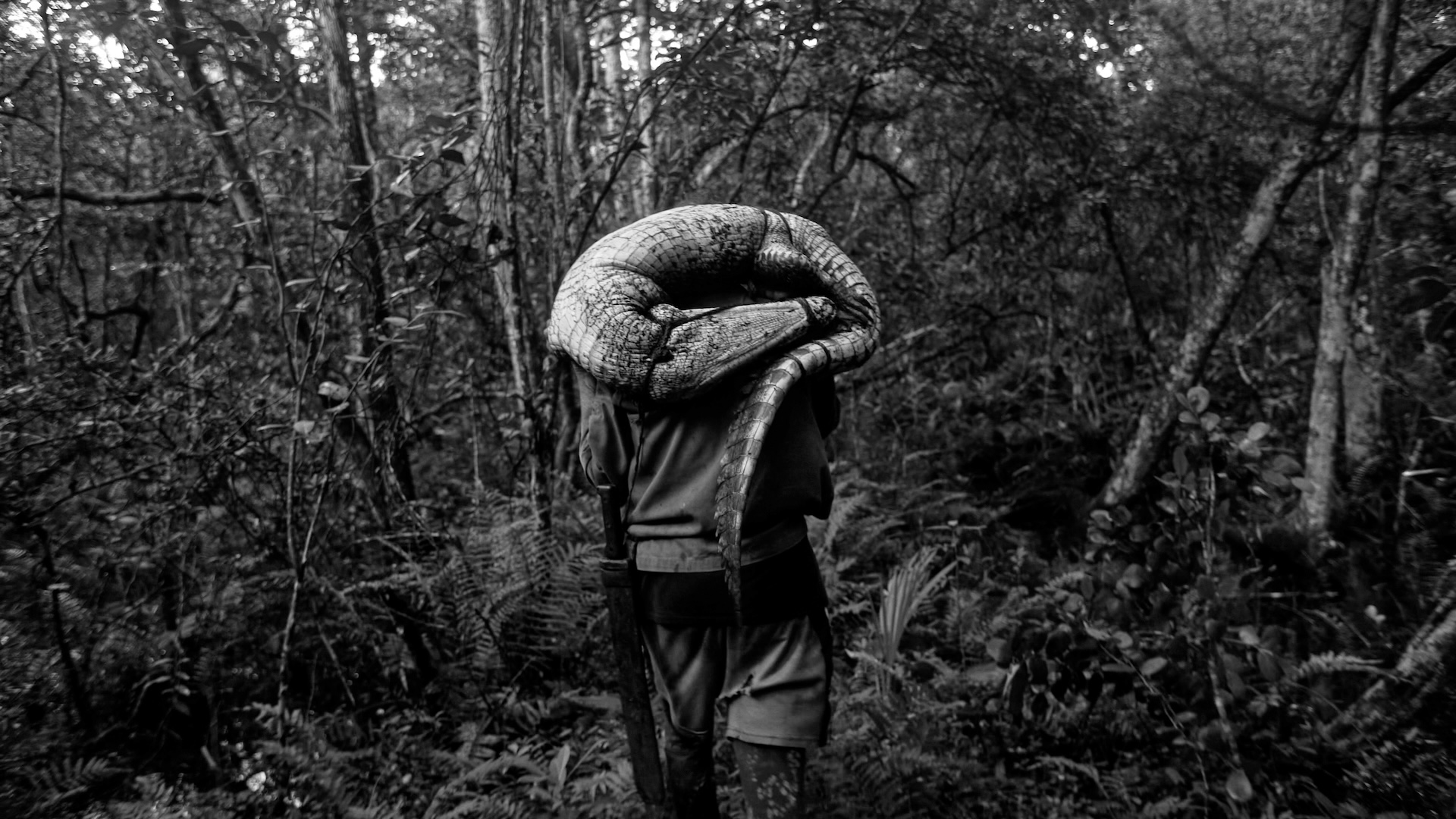
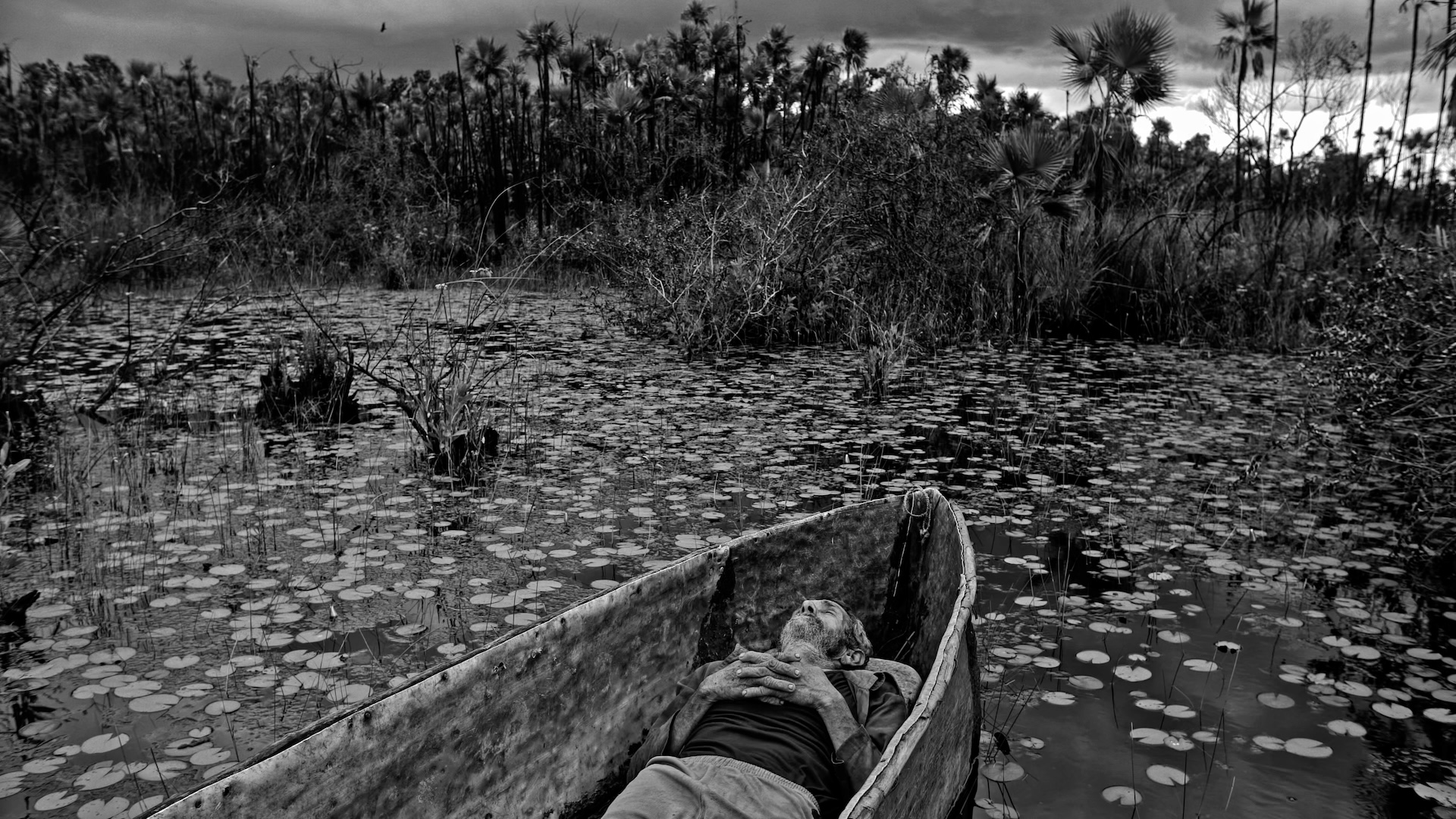
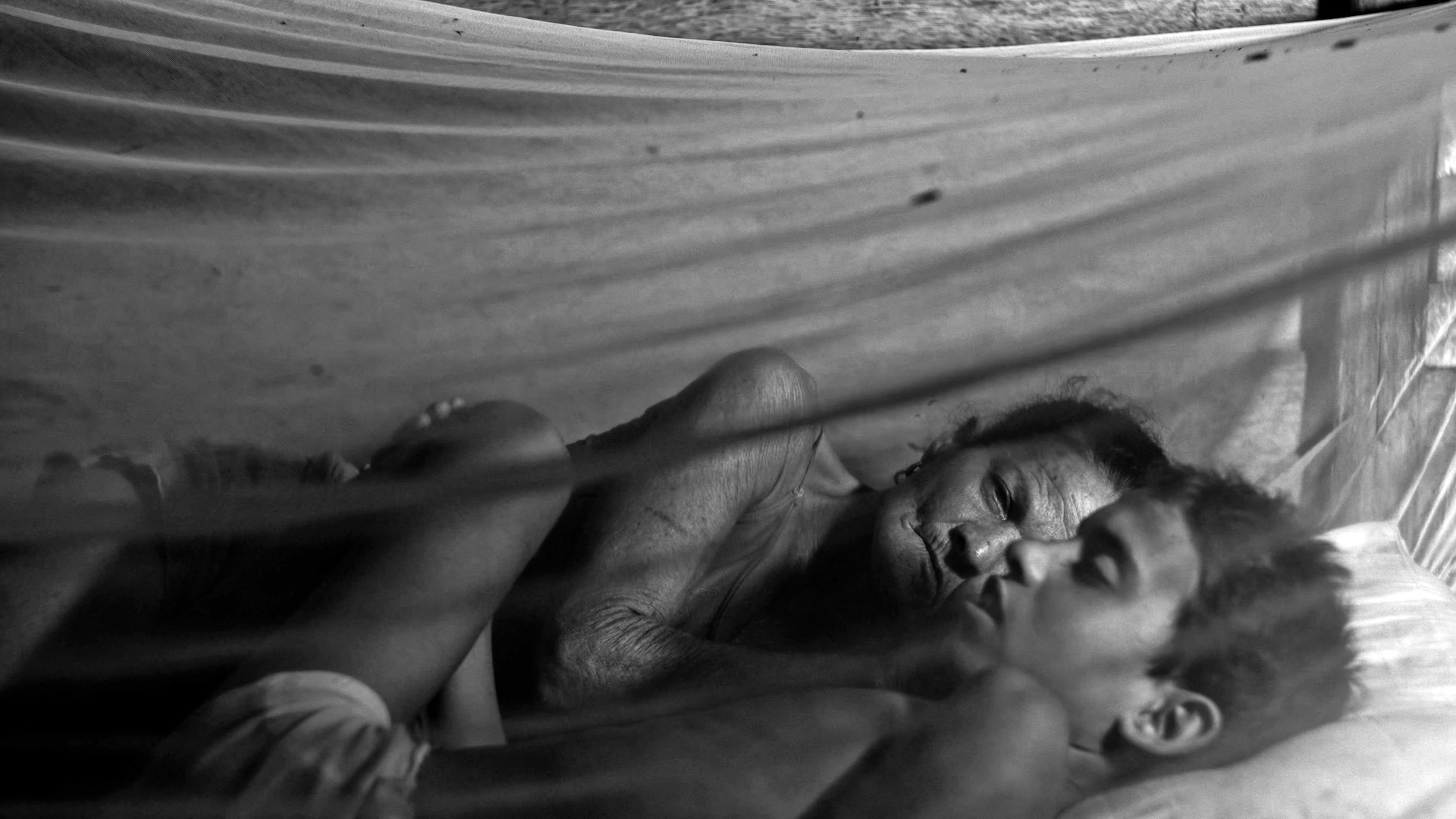
The film captures the life of a very poor Cuban family raising an autistic boy. The father regularly returns to the swamps, where he hunts crocodiles with minimal equipment, while the mother dedicates herself fully to caring for their son. David spent five years with this family simply because he grew fond of them.
He met Mercedes, the mother, by complete chance. They connected immediately, and he began visiting them more and more often. Over time they grew so close that he even accompanied Landi on hunting trips into the swamps, catching crocodiles alongside him. He spent five years of his youth living in harsh conditions alongside people who were not his family, yet today he speaks of them as if they were.
Only later did it occur to him that he might document their everyday reality and preserve it in this way. The actual filming itself then took just a month and a half. David worked entirely on his own, using his own camera. Landi and the entire family come across in the film as completely natural and genuine – and it is no wonder. He lived with them, shared their lives, and all the situations we see in the film were ones he had already experienced with them. This time, he simply had a camera with him.
A black‑and‑white jungle and a harsh reality
David’s film left a deep impression on everyone in the audience. Life in Cuba is tough, demanding and often hopeless – and one of the aims of the festival is precisely to draw attention to this reality in the world. To the West, in Zapata fulfilled that aim perfectly.
Not every documentary is also a work of art. Although the film is in black and white, the viewer can vividly imagine the colours of the jungle thanks to its exceptional cinematography and authentic natural soundscape. In my view, David himself did not, for a long time, fully realise just how extraordinary his work was. Today, however, he travels to festivals, wins awards and receives acclaim – quite rightly so.
At the same time, he remains firmly grounded. He is aware that he has the opportunity to travel, screen the film around the world and speak about Cuban reality, while Mercedes and Landi continue to live in the same poverty, and their now adult son still requires constant care. Their daily struggle for food goes on, even as their story has moved audiences thousands of kilometres away.
The power of humanity at One World
Yet it is not only the film itself that makes a strong impression – it is the personality of the director. As one audience member put it: “The director was absolutely wonderful. I haven’t seen such a degree of empathy and consideration in someone for a long time. It was clear that for him it isn’t ‘just’ a film. I watched him for a moment as he looked at the screen, and it felt as though he was deeply affected by it – simply love…”
The One World Festival introduces many such personalities – and that is its greatest value: it brings together people of this kind. Not only powerful protagonists, but also empathetic and courageous directors. And above all, audiences who are not indifferent to the world – people who, we hope, leave the cinema not only shaken by the state of the world around us, but also uplifted and filled with the knowledge that many others care as well. That among us are people with immense empathy, strong enough to inspire us, give us strength and allow us to hope for a better tomorrow.